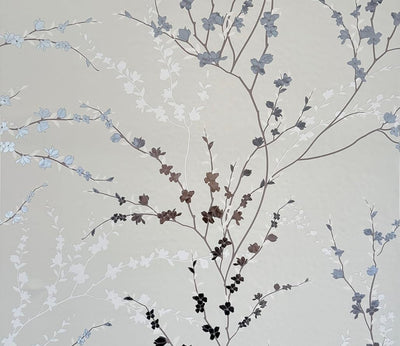
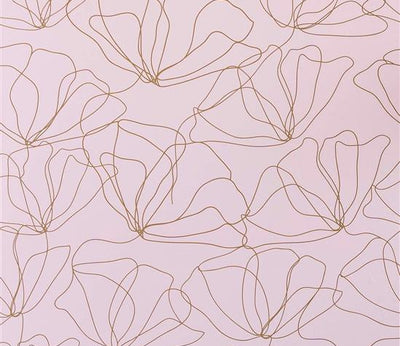
Shelf liner does not pull bugs into a kitchen on its own. Ants, roaches and pantry moths come for food, water and a dark place to hide, and a liner only matters when it supplies one of those three. So does shelf liner attract bugs? Not by itself, but a badly fitted one can feed and shelter the bugs that are already coming. The useful question is which version you have on your shelves right now.
What brings bugs into a cabinet in the first place
University extension services agree on the short list. Pantry insects arrive in food packages or fly in, then stay because they find crumbs, spilled flour, open bags of rice or a forgotten box of pet kibble. Cockroaches need water as much as food, which is why they gather near leaking pipes and under sinks. Nearly every household pest prefers somewhere dark, tight and undisturbed to rest during the day.
Look at your own shelves against that list:
Food. Crumbs, sticky rings from syrup bottles, the dusting of sugar around a canister, paper and thin plastic bags that insects can chew through.
Water. A slow drip under the sink, condensation on a cabinet that backs onto a dishwasher, a damp dish rack stored on a shelf.
Shelter. Clutter, stacked paper bags, gaps along the back of a shelf, and any pocket a small insect can crawl into.
A shelf liner sits right in the middle of that picture. It is not food in the way flour is, it is not a water source, and on a flat shelf it is not a hiding spot. Whether it stays that way depends on how it was installed and what you put on top of it.
Does shelf liner attract bugs? Only in these two ways
The pocket underneath
Loose-laid liner, or adhesive liner with lifted corners, creates a thin space between the paper and the shelf. Crumbs slide in through the gap and stay there, out of sight, where no sponge reaches them. Cockroaches spend their days in cracks and crevices, and a curling edge along the back of a pantry shelf is exactly that kind of crevice. The liner did not attract the roach. It gave one a room with a snack bar.
The fix is fit, not a different material. A liner pressed flat to the shelf, trimmed to the edges and kept down at the corners leaves nothing to crawl under. Our guide on how to keep shelf liner in place covers the slipping and lifting problems that create those pockets.
Paper, paste and the insects that eat them
This part deserves a straight answer, because the search results tend to skip it. Two common household insects are documented paper and starch eaters. Silverfish scrape at starchy materials such as glue, paste and paper, and they thrive in humid rooms. Older entomology bulletins describe cockroaches feeding on wallpaper paste and on the glue in book bindings.
Main Street's Classic Sheets are paper, listed on each product page as peel and stick paper wallpaper, and we do not publish a pest-resistance claim for them or for the adhesive on the back. Paper on a dry, clean shelf in a home without an infestation is simply not on the menu in any meaningful way. Paper in a damp cabinet in a home that already has silverfish is a different situation, and the answer is to fix the damp and the infestation, not to hunt for a different liner.
Does contact paper attract roaches?
Roaches go where the food and water are, and contact paper supplies neither unless it is trapping crumbs or holding moisture. The people who ask this question usually found roaches on or under a lined shelf and wondered whether the paper was the cause. In most cases the paper was simply where the evidence was visible. The roaches were already in the kitchen for the sink, the trash, the stove or the crumbs behind the toaster.
That said, a few spots deserve extra caution with any self-adhesive paper:
The cabinet under the sink. Skip it. Bare shelving there lets you spot a slow leak early, and Main Street lists areas exposed to moisture among the surfaces to avoid. Silverfish favor damp spaces, too.
Shelves above a dishwasher or kettle station. Steam and condensation work their way under edges.
Shelves where you already see droppings. Deal with the pests first. Lining over an active problem hides it.
For everything else, a well-fitted liner on a dry shelf is neutral at worst. Our article on whether shelf liner protects cabinets explains the same line from the other direction: liners handle slow, dry wear, and they are the wrong tool for anything wet.
Insect repellent shelf liner: a different product entirely
Search for bug resistant shelf liner and you will find liners treated with an insecticide. These are pesticide products, not decorative paper, and they carry a pesticide label whose directions have to be followed. EPA-registered labels for treated shelf papers have included instructions not to place wrapped or unwrapped food or food utensils directly on the paper.
Several university extension services also advise against using household pesticides in food storage areas at all, because of the risk of contaminating the food. If you have a real infestation, a pest professional or your local extension office is the right call. A liner of any kind, treated or not, is not a pest control plan.
Main Street does not make treated liners. Our sheets are decorative paper, and we would rather tell you that plainly than let a product page imply something it cannot deliver.
Line your shelves so pests have nowhere to hide
Done well, lining a cupboard can make pest problems easier to catch. A clean, flat, light-colored surface shows you what a dark, worn shelf hides.
Empty and vacuum first. Extension entomologists recommend vacuuming shelves and crevices rather than only wiping them, since a wet cloth can push crumbs deeper into cracks. Then follow Main Street's prep: a damp cloth, a solution of 30% isopropyl alcohol and 70% water, and a full dry.
Check the surface. Main Street lists smooth tile, sealed wood and painted drywall as the best surfaces. If a shelf was recently painted, wait at least four weeks before applying, as the brand advises.
Cut to the inside edges. Trim the sheet so it meets the back and sides of the shelf without curling up the wall. Our guide to lining kitchen shelves covers measuring a whole kitchen and the order to work in.
Press every edge and seam. Use a smoothing tool along the perimeter. The edge is where crumbs get in.
Pick a light ground. Crumbs, droppings and moth webbing stand out against a pale sheet. A dense dark pattern camouflages them.
Decant dry goods. Extension services recommend glass, metal or rigid plastic containers with tight lids, since insects can chew through paper and thin plastic bags. Use older food first.
On a light sheet, a monthly glance becomes a real inspection. Small dark specks that look like ground pepper, fine webbing in a corner, or a trail of ants along a seam are all easier to spot on a soft eucalyptus print than on bare, scuffed wood.
Patterns that make crumbs easy to spot
If inspection matters to you, choose for contrast. The hutch in the photo above uses All About Balance, a leafy print on a pale ground sold as 12 double panels, the equivalent of 24 sheets at 11 x 16 in, which is enough for a run of shelves. Eucalyptus is a soft watercolor of silver dollar leaves, gentle enough that anything sitting on it reads clearly. Carrara Marble gives a pantry a clean white look, and a stray grain of rice or a spill shows up against it quickly.
Each 12-pack of Classic Sheets covers about 14.6 sq ft, at 1.22 sq ft per sheet. Check the product page for the pack you choose, since the larger packs list their own totals. For tips on the whole process, Main Street's how-to-use page lays out the steps and the surfaces to skip.
Founder Jan McCallum trained as an oil painter, and the collections lean toward prints you would be happy to look at every time you open a cupboard. On a pantry shelf, that pleasure has a practical side. You notice a clean, pretty shelf, and you notice the moment it is not clean.
Frequently asked questions
Does shelf liner attract bugs?
Not on its own. Bugs come for food, water and shelter, and a flat, well-fitted liner on a dry shelf supplies none of them. Problems start when edges lift and trap crumbs, or when paper sits in a damp cabinet. Fix the fit, keep the shelf dry, store food in sealed containers, and the liner stays neutral.
Does contact paper attract roaches?
Roaches follow food and water, and contact paper offers neither unless it is hiding crumbs or holding moisture. Lifted edges create the crevices roaches like to rest in, so keep every edge pressed down. If you find roaches on a lined shelf, treat the infestation first. The paper usually just made the evidence easier to see.
Is there a shelf liner that repels bugs?
Insecticide-treated shelf liners exist, but they are pesticide products with labels you must follow, and treated papers have typically carried warnings against placing food or utensils directly on them. Extension services generally discourage pesticides in food storage areas. Main Street's sheets are decorative paper with no pest-repelling claim.
Do silverfish eat shelf paper?
Silverfish feed on starchy materials such as paper, glue and paste, and they prefer humid spaces. Any paper liner could interest them in a damp cabinet with an existing infestation. The fix is lowering humidity and dealing with the insects. On a dry shelf in a home without silverfish, a paper liner is not a meaningful attraction.
Should I line the cabinet under my sink?
We would skip it. Bare shelving under a sink lets you catch a slow leak before it spreads, and damp conditions draw roaches and silverfish alike. Main Street also lists areas exposed to moisture among the surfaces to avoid for its sheets. Save the paper for dry shelves and drawers elsewhere in the kitchen.
A store-bought stencil gives you someone else's lettering in someone else's size. Learning how to make a stencil with contact paper gives you your own: the exact word for the pantry door, the leaf from the fabric you love, the house number in the font you picked. Self-adhesive paper is a natural fit for the job because it grips the surface while you paint, which is what keeps the edges sharp. Here is how to draw it, cut it, lay it down and lift it off cleanly.
Why adhesive paper works as a stencil, and where it stops
A loose stencil leaks. Paint creeps under any edge that is not held down, and the result is a fuzzy outline you cannot fix. A stencil cut from self-adhesive paper is stuck to the surface along every cut line, so the paint has far less room to travel.
The trade-off is durability. Paper absorbs a little paint each time you use it, and the cut edges soften once they get wet. Plan on a paper stencil being a one-project tool: perfect for a single sign, a set of matching jar labels or a border repeated a few times in one session, less suited to a pattern you will stamp across fifty feet of wall. For long runs, a rigid plastic stencil is the better buy.
Main Street does not publish stenciling instructions for its papers, so everything below is general craft practice applied to the brand's own surface and prep guidance. Test on a scrap before you commit to the real piece.
What you need before you start
Adhesive paper. Leftover sheets from a wall or drawer project are ideal. The Eucalyptus Classic Sheets and the rest of that line measure 11 x 16 in, which is plenty for a word or a small motif.
A sharp blade. A craft knife or a utility knife with a fresh tip. Dull blades tear paper instead of slicing it.
A cutting surface. A self-healing mat, or a stack of thick cardboard you do not mind scoring.
Pencil, ruler and painter's tape. The tape holds your template still and rescues small pieces later.
A smoothing tool or an old plastic card to press the edges down.
A stencil brush, foam pouncer or dense sponge, plus the paint for your surface.
How to make a stencil with contact paper, from sketch to cut
1. Put the design on the paper
You have three ways to get the artwork onto the sheet. Draw freehand on the printed face, tape a printout over the sheet and cut through both layers, or trace onto the backing liner.
Watch the direction if you use the liner. Anything drawn on the back comes out mirrored once you flip the sheet over, which is harmless for a leaf and a disaster for a word. Reverse lettering before you trace it, or draw on the front.
If you expect to redraw a few times, a writable sheet saves frustration. The Dry Erase Classic craft paper takes dry erase markers, so you can sketch the outline, wipe away the wrong curve and try again before the knife ever touches it. The Chalkboard Classic does the same job with chalk or chalk markers. Both come as single 11 x 15 in sheets, a handy size for a sign.
2. Cut slowly and turn the paper, not the knife
Keep the backing on while you cut. It gives the paper body and stops the adhesive from grabbing your mat. Pull the blade toward you in steady strokes and rotate the sheet as you go round a curve, so your wrist stays in the same comfortable position. For straight lines, run the blade along a ruler.
A pattern with strong printed lines can do some of the measuring for you. The vertical bands on the Woven Stripe sheets, for example, give you ready-made guides for keeping a row of letters square.
3. Remove the pieces you want painted
A stencil is a hole in the shape of your design. Lift out the cut shapes with the knife tip and keep the surrounding frame intact.
4. Rescue the islands
Letters such as O, A, B, D, P and R have centers that are not connected to anything. Cut them out with the rest, set them aside on a piece of liner, and stick each one back in place once the frame is on the surface. Alternatively, leave a thin bridge of paper joining the center to the frame, the way classic stencil fonts do.
Cutting a stencil on a digital cutting machine
Many home cutting machines can cut adhesive paper, and a machine is the easiest way to get crisp small lettering. Main Street does not publish machine settings for its sheets, so run a small test shape first and adjust blade depth and pressure until the knife slices the paper without cutting the liner.
Check the sheet against your mat before you load it. An 11-inch side fits across a 12-inch-wide mat, but a 16-inch Classic Sheet is longer than a 12 x 12 in mat, so either trim the sheet to length or use a longer mat if your machine accepts one.
Laying the stencil down and painting without bleed
Sharp lines start with the surface. Main Street's application guide asks for a clean, dry base: wipe away dust with a damp cloth, then use a mix of 30 percent isopropyl alcohol and 70 percent water and let it dry completely. On a freshly painted wall, the brand says to wait at least four weeks before applying its sheets. That advice matters even more for a stencil, because you are going to pull the paper back off, and soft paint underneath is more likely to lift with it.
Press every edge. Peel the liner, position the stencil and run a smoothing tool firmly over all the cut lines, especially fine points and inside corners.
Seal the edges. Brush a thin coat of your background color, or a clear matte medium, along the cut edges and let it dry. Any paint that creeps under now matches the surface, and it closes the gap for the real color.
Use very little paint. Load the brush, then blot most of it onto a paper towel. Dab straight down instead of brushing across the edge, which pushes paint underneath.
Build thin coats. Two or three light layers give cleaner lines than one heavy one.
Lift once the paint has set. Advice varies, but most crafters agree you should not pull the stencil while the paint is still wet. Wait until it has dried to the touch, then peel slowly at a low angle, away from the painted shape. If the paint film starts to tear along an edge, score it with your blade before you keep pulling.
For more on getting adhesive paper to lie flat, our guide on how to apply contact paper without bubbles covers the pressing technique in detail.
Walls, wood, glass and fabric: where a paper stencil belongs
A stencil only works if it sticks, so the surface rules for the sheets themselves apply. Main Street lists smooth tile, sealed wood and painted drywall as the best surfaces, and advises against textured or popcorn walls, brick and stone, and areas exposed to moisture. Our breakdown of what contact paper sticks to goes surface by surface if yours is not on that list.
Painted walls: a good match once the paint has cured, for a word above a reading nook or a motif along a hallway.
Sealed wood: signs, crates, drawer fronts and tabletops all work, provided the finish is smooth.
Glass: etching cream is a corrosive chemical, and Main Street's papers are not designed or tested for it. Use the stencil material the cream maker recommends.
Fabric: not on the brand's surface list, and a pressure adhesive tends to grip a weave loosely. Freezer paper, which is ironed onto the cloth, is the usual route for shirts and tote bags. Never iron Main Street's sheets, as the brand publishes no heat rating for them.
Small stenciled pieces pair nicely with the other paper projects in our guide to craft wallpaper, such as labeled boxes and desk sets.
Frequently asked questions
Can you use contact paper as a stencil?
Yes. Self-adhesive paper makes a good homemade stencil because it sticks along every cut edge, which keeps paint from creeping underneath. Draw or print your design, cut it out with a sharp blade, press the stencil onto a clean, smooth surface and dab paint on in thin coats. Expect a paper stencil to last one project rather than many.
Will a contact paper stencil peel paint off the wall?
It can if the wall paint is soft or poorly bonded. Main Street recommends waiting at least four weeks after painting before applying its sheets, and that patience matters doubly for a stencil you plan to remove. Test a small patch somewhere hidden, peel slowly at a low angle, and stop if the base paint starts to come up.
Can you reuse a contact paper stencil?
Sometimes, for a few repeats in the same session. Paper soaks up a little paint and its grip weakens every time it is lifted, so the edges slowly lose their sharpness. Keep it on its original liner between uses, and switch to a rigid plastic stencil for designs you will repeat dozens of times.
How do you keep the middle of letters in a stencil?
Cut the centers of letters like O, A and R out with the rest of the design, keep them on a scrap of liner, and stick them back in position after the frame is down. Another option is a thin paper bridge linking each center to the frame, the trick behind classic stencil fonts.
How do you remove a stencil once the project is finished?
Peel it back slowly at a low angle once the paint has set. If any adhesive is left behind on the surface, our step-by-step guide on how to remove contact paper covers gentle ways to lift residue without scrubbing through the finish underneath.
A writable wall starts in one of two aisles. One holds a can of flat black paint, a roller and a free weekend. The other holds a stack of self-adhesive sheets you can press up before dinner and move if you change your mind. The chalkboard paint vs chalkboard wallpaper question comes down to three things: how much wall you want, how long you are willing to wait before the first grocery list goes up, and whether that wall is yours to paint at all.
Chalkboard paint vs chalkboard wallpaper: the short answer
Chalkboard paint wins when you want one large, seamless board on a wall you own, you can work around a curing period, and you do not mind that the wall stays black until you repaint it. Chalkboard wallpaper wins when you want to write today, when you rent, when the board needs to be small or movable, or when the thought of painting a wall black and then painting it back later is the thing stopping you.
Both give you a surface that takes chalk and erases. The differences live in the setup, the waiting and the exit. If you want the basics on how the sheets themselves work and where they go, the chalkboard wallpaper 101 covers that ground.
A quick definition of each, since the names overlap. Chalkboard paint is a wall paint with a hard, flat, slightly toothy finish that holds chalk dust. Chalkboard wallpaper is a self-adhesive sheet with the chalk-ready surface already on it. Main Street's version is Chalkboard Classic Peel and Stick Craft Paper: an 11 by 15 inch panel with a black writable surface and a peel-off backing, so there is no separate adhesive to brush on and nothing to cure. The product page lists it as writable and erasable with chalk and chalk markers, best applied to painted and finished surfaces, and removable and repositionable.
The timeline: how long until you can write on it
With paint
Prep. Wash the wall and let it dry. The brush-on data sheet we read asks for a light sanding on glossy surfaces and recommends a primer for the best grip, and the spray-can instructions want the surface clean, dull and dry before the first pass.
Coats. Two coats is the standard call for brush-on paint, with a recoat window of about four hours on the data sheet we checked. Spray formulas go on as two or three light coats a few minutes apart.
Cure. The finish has to cure before anyone touches it with chalk. One spray brand asks for 24 hours before first use; the brush-on sheet asks for three days, and adds that you should wait a full week before wiping the board down with a damp cloth. Follow the number on your own can.
Condition. Once cured, rub the side of a stick of chalk over the entire board and erase it. Every label we looked at includes this step, because the thin film of chalk dust is what makes later erasing clean.
Add it up and a painted chalkboard wall is somewhere between two days and a week from first coat to first doodle, with the wall off limits for most of it.
With sheets
Prep. Wipe the wall with a damp cloth to lift dust. Main Street's own how-to guide suggests a mix of 30 percent isopropyl alcohol and 70 percent water for the best bond, then letting the surface dry completely.
One real wait. If the wall was painted recently, Main Street asks you to hold off at least four weeks before applying any of its sheets. Fully cured paint gives the adhesive something stable to hold.
Apply. Mark a level line, peel back a few inches of backing, press the top edge to the line and smooth downward with a smoothing tool to push air out. Trim the edges with a utility knife.
Write. There is no cure and no conditioning step on the product page. When the last panel is pressed flat, the board is in service.
How they write and erase
A painted board and a sheet both take ordinary stick chalk, and both erase it with a dry cloth or a felt eraser. The paint side has one extra rule worth repeating: do the conditioning step before the first real message, and repeat it after any wet cleaning, which is what the data sheet asks for.
Chalkboard Classic is listed as compatible with chalk markers as well as traditional chalk. Liquid chalk gives you brighter, more permanent-looking lines, which is lovely for a menu heading and less lovely for the daily to-do list, because it usually wants a damp cloth to erase and can leave a faint shadow behind on any chalkboard surface.
If markers are really what you are after, the question may not be paint versus sheets at all. Main Street's Dry Erase Classic Peel and Stick Craft Paper is the white, marker-friendly sibling of the chalkboard sheet, and the dry erase wallpaper guide walks through where a write-on wall earns its keep.
Size, shape and the wall you have
Paint has no edges. It will fill an arch, run floor to ceiling, wrap a chimney breast or stop exactly at a line of painter's tape, and it does all of that without a single seam. It also copes with a lightly textured wall, though your handwriting will follow every bump.
Sheets come in a fixed 11 by 15 inch panel, so a larger board is a grid, and a grid has seams. In exchange, sheets go places paint rarely does. A cabinet door, the inside of a pantry door, a desk pad, a bin label or a single panel beside the fridge are all one-sheet jobs that nobody would open a paint can for.
Surface matters more for sheets than for paint. Main Street's guidance is to apply them to smooth tile, sealed wood or clean, flat, painted drywall, and to skip textured or popcorn walls, brick and stone, ceilings, and areas exposed to moisture such as bathrooms and showers. The ceiling line is about this craft paper's adhesive working against gravity, not a rule for every peel and stick product, but it is the brand's guidance and worth respecting. If your only candidate wall is textured, paint is the one that can cope.
Renters, moving out and changing your mind
Here the sheets pull ahead. A chalkboard-painted wall is a black wall, and reversing it is a painting project of its own: wipe off the chalk film, prime so the dark color does not bleed through, then as many coats of the original color as it takes to hide it. Many leases treat that as a change you are expected to undo, and some landlords will not allow it in the first place.
Chalkboard Classic is described on its product page as removable and repositionable. Take a panel down slowly and low, keeping the angle shallow, and test an inconspicuous corner first, because how cleanly any adhesive sheet releases depends on the wall and its paint as much as on the sheet. The renter's guide to wall damage goes into what to expect on different paint finishes. Repositionable also means a board can move when life does: the command center beside the fridge can shift to the hallway, or shrink from six panels to two, without a paint tray in sight.
One design note. A black rectangle on a white wall can look tacked on, whichever way you make it. A border of patterned sheets around the board, something like the Woven Stripe sheets, turns it into a framed panel that reads as a decision rather than an afterthought.
Can you put chalkboard paint over wallpaper?
People ask this in both directions. Painting chalkboard paint over existing wallpaper is possible and rarely a good idea. Paint is wet, and wet paper swells and lifts at the seams; printed or coated wallpapers also resist paint the same way any sealed surface does, which is the whole problem laid out in the guide on painting over contact paper. Strip it first, let the wall dry, then paint.
The reverse, putting chalkboard sheets over existing wallpaper, is kinder to the wall but still a judgment call. The sheets need a smooth, well-adhered, non-textured base to hold, and the article on peel and stick over existing wallpaper explains how to test whether yours qualifies. When in doubt, one panel in a corner for a week will tell you more than any forum thread.
Frequently asked questions
Is chalkboard wallpaper better than chalkboard paint?
Neither is better in every case. Chalkboard wallpaper sheets are faster, need no cure or conditioning, and are listed as removable and repositionable, which suits renters and small or movable boards. Chalkboard paint gives a seamless board of any size and shape and tolerates light texture, at the cost of a multi-day project and a black wall you will eventually have to repaint.
Can you put chalkboard paint over wallpaper?
You can, but most painters advise against it. Wet paint can swell and lift wallpaper at the seams, and coated or printed papers do not give paint much to grip. Stripping the wallpaper first, letting the wall dry and then painting is the more durable route. If stripping is off the table, self-adhesive chalkboard sheets over smooth, well-adhered paper are a gentler option to test.
How long does chalkboard paint take before you can write on it?
It depends on the formula. One spray brand's instructions allow first use after 24 hours, while the brush-on data sheet we checked asks for two coats about four hours apart and a three-day cure, followed by conditioning the board with the side of a piece of chalk. Always follow the cure time printed on your specific can, because brands differ.
Can you use chalk markers on chalkboard wallpaper?
Chalkboard Classic is listed as compatible with both chalk and chalk markers. Markers give bolder lines but usually need a damp cloth to erase and can leave a faint shadow on any chalkboard surface, so test them in a corner first. For anything you rewrite daily, ordinary stick chalk is the easier choice.