



Renting and want to add personality to your space? Peel and stick wallpaper is the move — but the question every renter asks first is the same: will it damage the walls?
Short answer: no, when applied to the right surface and removed properly. We've seen many installs come down without leaving a mark. Here's what actually matters, and where renters get into trouble.
The short answer
Peel and stick wallpaper removes cleanly from painted drywall in good condition — that's the typical apartment wall. The risks come from older paint, fresh paint, glossy finishes, or textured surfaces — all situations that need a quick test before committing.
- Yes, safe: cured eggshell or satin paint over drywall, in good condition, with no peeling.
- Test first: any paint less than 30 days old, glossy/semi-gloss finishes, lightly textured walls.
- Skip: heavily textured walls, peeling paint, glossy oil-based paint, raw plaster, or unsealed drywall.
Why peel and stick wallpaper is renter-friendly by design
Three reasons it works for rentals:
- Removable adhesive. The backing uses a low-tack pressure-sensitive adhesive — strong enough to hold for years, light enough to release without bonding to the paint.
- No paste, no priming. Traditional wallpaper paste actually penetrates paint and causes damage on removal. Peel and stick skips that entirely.
- Repositionable during install. If you don't love the placement, you can usually lift and reapply shortly after application without losing much tack.
The 24-hour test patch (always run it)
Before you cover an entire wall, do this:
- Pick a small spot on the wall you actually plan to cover (not a closet — you want real-world conditions).
- Apply one sheet, smoothing from the center outward.
- Wait 24-48 hours.
- Slowly peel it off, pulling at a 45-degree angle.
- Inspect. If the paint stayed put and the wall looks the same, you're clear. If you see flaking or paint pulling, the wall isn't ready.
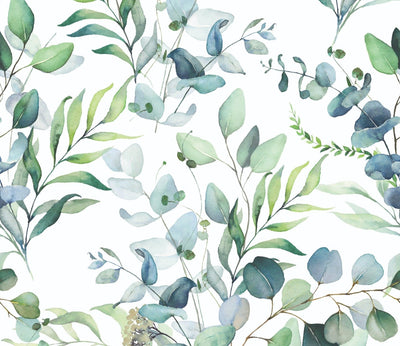
Patterns that hide minor wall imperfections work best for renters. Our Eucalyptus and Palm Leaf sheets are forgiving — the botanical density distracts from any small bumps or seams underneath.
How to remove peel and stick wallpaper without damage
When the lease ends or you want a change, here's the safe removal process:
- Start at a corner. Use a fingernail or a plastic scraper to lift one corner gently.
- Pull at a 45-degree angle. Steeper angles tear; shallower angles can lift paint.
- Pull slowly and steadily. Fast = tears; slow = clean release.
- Apply gentle heat if needed. A hairdryer on low warms the adhesive and makes stuck spots release more easily.
- Clean any residue. A microfiber cloth dampened with mild soap removes the rare adhesive trace. No solvents — they'll damage paint faster than the wallpaper would.
What goes wrong (and how to avoid it)
The handful of damage stories we hear about peel and stick wallpaper trace back to a few specific issues:
- Fresh paint. Paint usually needs at least 4 weeks to cure, and some paints take longer. Apply peel and stick before that and you're applying to a soft surface that bonds incorrectly. Wait the month.
- Glossy paint. Adhesive struggles to grip — but paradoxically, when it does grip, it bonds harder than expected. The combination causes lift on removal.
- Heavily textured walls. The wallpaper bridges high points and lifts at low points. When removed, it pulls texture grit with it.
- Yanking on removal. Going too fast or at the wrong angle is the #1 cause of damage. Slow, 45-degree peel is non-negotiable.
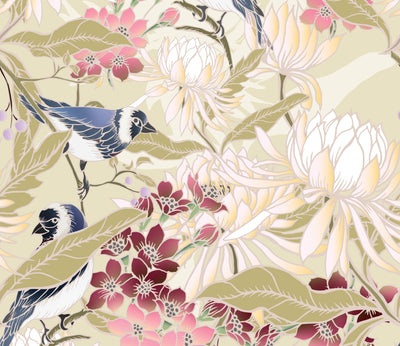
For a bolder look that still removes cleanly, the Peony Party sheets give you a high-impact pattern with the same gentle adhesive — you get to make a statement without committing to it.
Frequently asked questions
Will my landlord notice? If applied and removed correctly, no. The wall returns to its original state. Take photos before and after for your records.
Can I use peel and stick wallpaper on a closet door or smooth furniture instead of the wall? Yes. Closet doors, dresser fronts, and the back of bookshelves are great low-risk test surfaces — and the impact is huge. See our guide to wallpapering furniture for ideas.
What if a small piece tears off the paint when I remove it? Touch up with the original paint. If you don't have it, photograph the brand and color from any leftover label and grab a sample-size from a hardware store. A renter-friendly fix takes 10 minutes.
How long can I leave peel and stick wallpaper up? Often for years. With a quality install and good wall conditions, the adhesive tends to stay removable, and we've seen installs come down cleanly after several years. Longevity varies with the surface and environment, so results can differ.
Can I reuse the wallpaper after removing it? Sometimes. If you remove it carefully and the adhesive is still tacky, single sheets can be repositioned to a new location once. Patterns that match across seams are harder to reuse.
Walls are design opportunities — even rented ones. Browse our full peel and stick wallpaper collection to find a pattern that makes your apartment feel like yours, with zero damage when you move out.
Featured in this article
Shop the wallpapers mentioned above.


What Is Craft Wallpaper? Craft Paper Explained, Plus 6 Projects for Leftover Sheets

Wallpaper for a Dining Room: 4 Ideas With Peel and Stick Sheets

Kids Room Wallpaper Ideas: Peel and Stick Sheets From Nursery to Tween

Fall Craft Ideas for Adults: 6 Paper Projects for a Cozy Home

What Is Peel and Stick Wallpaper? How It Works, Explained


