



Textured walls are the most common reason a peel and stick wallpaper install fails. The texture creates micro-gaps under the wallpaper, and within weeks the edges lift and corners curl. But not all textures are equal — some work fine with the right prep, and some are a hard no.
Here's the honest breakdown of what kinds of textured walls accept peel and stick wallpaper, the prep that actually works, and the patterns most likely to hide minor texture once installed.
The short answer
- Smooth or lightly orange-peel texture: yes, peel and stick wallpaper works with proper prep.
- Knockdown, popcorn, or heavy texture: no — the wallpaper bridges high points and lifts at low points. Don't bother.
- Stucco or cement walls: no.
Identifying your wall texture
Run your hand across the wall. Then look at it from a low angle (light skimming the surface).
- Smooth: no texture you can feel. Like a piece of paper. Best surface for peel and stick wallpaper.
- Orange peel (light): very fine bumps, like the skin of an orange. Common in newer construction. Workable with primer.
- Knockdown: flatter raised patches with sharp edges, like splattered drywall mud knocked back with a trowel. Difficult — the edges will show through and the wallpaper lifts.
- Popcorn: rough, raised bumps about a quarter-inch high. Very common on ceilings, sometimes walls. Wallpaper does not adhere properly.
- Heavy stucco: deep, irregular peaks. Skip wallpaper entirely.
Prep for orange-peel textured walls (the workable case)
If your walls are smooth or lightly orange-peel, you can apply peel and stick wallpaper successfully with this prep:
- Clean thoroughly. Damp microfiber cloth with mild soap. Get any dust out of the texture pockets. Let dry fully — at least 4 hours.
- Lightly sand high spots. If any texture peaks feel sharp, knock them down with 220-grit sandpaper. You're not flattening the whole wall — just smoothing peaks that would catch the wallpaper edge.
- Wipe sanding dust. Damp cloth, let dry.
- Apply wallpaper primer. Use a wallpaper-specific primer in eggshell or semi-gloss finish. Apply with a roller. The primer fills micro-gaps in the texture and gives the adhesive a consistent surface to grab. This step is non-negotiable for textured walls.
- Wait for primer to fully dry. Read the manufacturer's instructions — usually 4-12 hours.
- Install wallpaper as normal. Use slightly more pressure than on smooth walls when smoothing.
Best patterns for hiding texture
Even with primer, lightly textured walls can show through thin or pale peel and stick designs. The trick is choosing patterns that are dense enough to mask any minor surface variation:
- Bold geometric patterns: The Red Bricks design is a top performer for texture-prone walls. The brick pattern hides minor surface variation by design — your eye reads the bricks, not the surface beneath.
- Wood-on-wood: The Distressed Wood Grey pattern works on textured walls because wood naturally has variation — small surface inconsistencies read as part of the wood look.
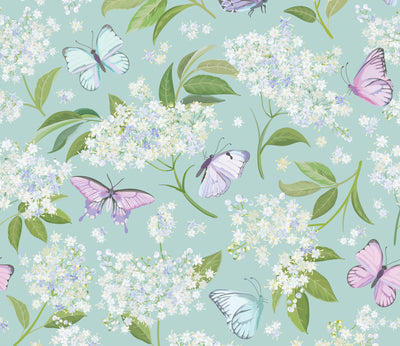
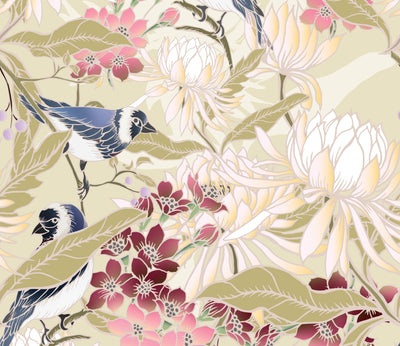
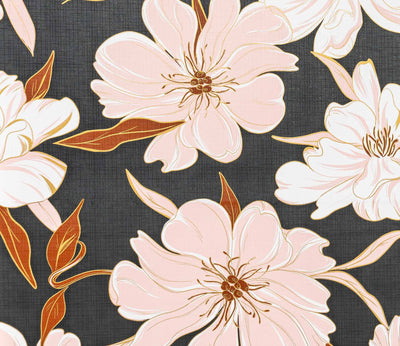
- Bold florals: Peony Party and similar large-pattern florals have enough visual density to distract from any minor surface bleed-through.
What to avoid on textured walls: pale, thin, or solid-color designs. They reveal every imperfection underneath.
Heavy texture: what to do instead
If your walls are knockdown, popcorn, or heavy stucco, peel and stick wallpaper is the wrong product. Options:
- Skim coat the wall first. Apply a thin layer of joint compound over the texture, sand smooth, prime, then wallpaper. This is a small-scale renovation but gets you to a wallpaper-ready surface.
- Apply liner paper first. A heavy paper liner installed over the texture (with traditional paste) creates a smoother base. Then peel and stick installs over the liner. More work than skim coating in most cases.
- Use wallpaper tiles instead of sheets. Smaller tile pieces handle minor surface variation better than continuous sheets. The wallpaper tiles collection is a workable alternative for lightly textured walls (still not heavy texture).
- Skip the wallpaper, paint instead. An accent paint color in the right shade can deliver the visual impact you wanted from wallpaper without fighting the texture.
Frequently asked questions
Can you put peel and stick wallpaper on textured walls? Smooth and lightly orange-peel: yes, with primer. Knockdown, popcorn, stucco: no.
Will peel and stick wallpaper stick to textured walls long-term? With proper primer prep on light texture, yes — for years. Without primer, it'll start lifting at edges within weeks.
Does the texture show through the wallpaper? Light texture mostly disappears with the right pattern (bold, dense). Pale or thin patterns show texture clearly.
What primer should I use on textured walls before wallpaper? A wallpaper-specific primer in eggshell or semi-gloss finish. Standard wall primer doesn't have the right surface for peel-and-stick adhesive.
Can I apply peel and stick wallpaper on a popcorn ceiling? No. The popcorn texture is too irregular and too rough.
Walls are design opportunities, but only when the foundation works. Test, prep, choose forgiving patterns, and you'll get years from your install. Browse our wallpaper sheets collection for the patterns that perform best on textured walls.
Featured in this article
Shop the wallpapers mentioned above.


Bathroom Tile Wallpaper Ideas: Subway, Moroccan, Spanish & More

Peel and Stick vs Traditional Wallpaper: Which Should You Choose?

How Long Does Peel and Stick Wallpaper Last? Care & Maintenance Guide

How to Prep Your Walls for Peel and Stick Wallpaper

How to Apply Peel and Stick Wallpaper Like a Pro (No Pro Required)


