




Peel and stick wallpaper and traditional pasted wallpaper aren’t really the same product anymore — they share a name but solve different problems. Choosing between them comes down to four questions: how long do you want it up, how much do you want to spend, how comfortable are you with installation, and how easy do you need removal to be.
Here’s the honest comparison, with specific recommendations by scenario.
The short answer
- Renters or anyone wanting flexibility: peel and stick. Removable with minimal damage in most cases, refresh as often as you want.
- Homeowners committed to one design for 10+ years, with budget for pro install: traditional wallpaper. Heavier, more durable, more pattern depth.
- First-time wallpaper installers: peel and stick. The learning curve is much shorter.
- Homeowners renovating one room with high traffic and high humidity: traditional wallpaper if you’ll keep it 10+ years; peel and stick wallpaper tiles if you want easier maintenance.
Side-by-side comparison
Cost
- Peel and stick: $30-60 per accent wall, materials only. No paste, no special tools.
- Traditional wallpaper: $50-120 per roll, plus paste ($15-25), plus pro install ($300-800 for a single accent wall in most US markets) if you don’t DIY.
Install time
- Peel and stick: 90 minutes for a first-timer doing an accent wall. 45 minutes for someone experienced.
- Traditional wallpaper: half a day for an experienced DIYer. Pro install: 4-8 hours per room.
Durability
- Peel and stick: 5-10 years in normal indoor conditions. Edges can lift in high-humidity or high-traffic spots.
- Traditional wallpaper: 15-25 years when properly installed. Heavier paper, paste-bonded — much harder to damage day-to-day.
Pattern depth and quality
- Peel and stick: Modern printing has closed the gap. Patterns look great from arm’s length. Some designs include subtle texture.
- Traditional wallpaper: Heavier weight allows for more pronounced texture, embossed patterns, and richer pigment depth. The premium designs (grasscloth, hand-painted) only exist in traditional formats.
Removability
- Peel and stick: Lifts off cleanly with a hairdryer assist, usually with little to no damage to wall paint on a clean, fully cured surface. Roughly 30 minutes to strip a wall.
- Traditional wallpaper: Requires a steamer or chemical wallpaper remover. Hours of work. Often damages paint underneath.
Wall prep needed
- Peel and stick: Clean, smooth, cured paint. 15-30 minutes of prep.
- Traditional wallpaper: Wall must be primed with wallpaper primer specifically. Some installations require lining paper. 1-2 hours of prep.
Tools required
- Peel and stick: Utility knife, level, smoother, measuring tape. All in one drawer.
- Traditional wallpaper: Paste brush, water tray, smoother, seam roller, sponge, level, utility knife, paste, primer. Significant tool investment.
When peel and stick wins
- You’re renting or might move within 5 years
- You want to refresh a room regularly without commitment
- You’re DIYing and want short install time
- You want to wallpaper unusual surfaces (furniture, cabinets, shelves)
- You’re testing a pattern before committing to traditional in a primary space
- Budget is limited (one weekend project versus a renovation)
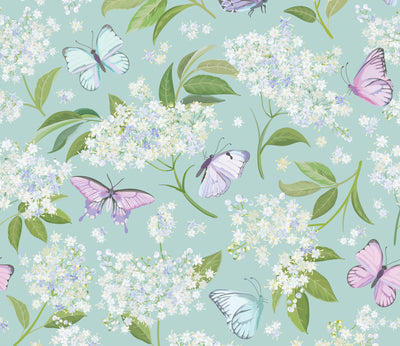
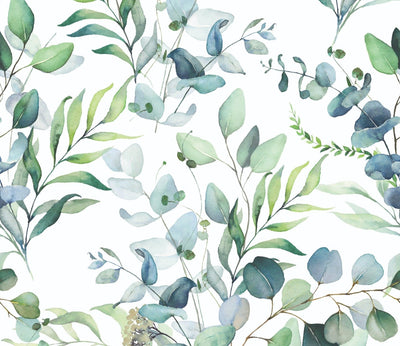
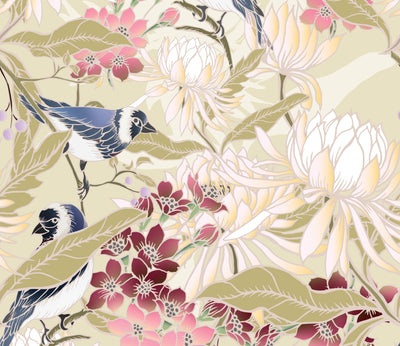
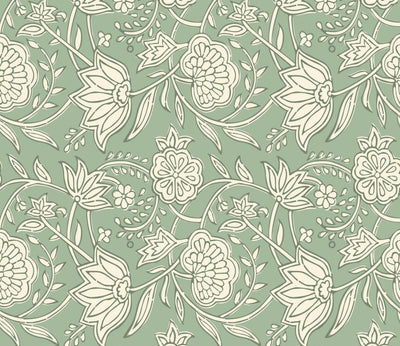
For renters and design-curious homeowners, the Peony Party floral or Eucalyptus botanical sheets give you instant impact with zero permanence — exactly what peel and stick was made for.
When traditional wallpaper wins
- You own your home and plan to keep this design 10+ years
- You want maximum pattern depth (grasscloth, hand-painted, embossed)
- The wall is in a low-touch, low-humidity location
- You’re hiring a pro installer anyway
- You want premium wallpaper brands’ specific designs that aren’t available in peel and stick
Hybrid approach
Many homeowners use both:
- Traditional wallpaper for a primary room they’ll keep long-term
- Peel and stick for accent walls, kids’ rooms (designs change), powder rooms (refresh more often), or test patterns before committing
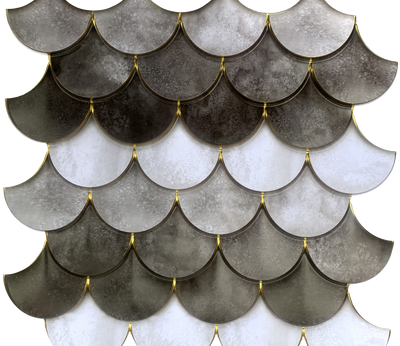
The Distressed Wood Grey design is a great hybrid choice — it works as a permanent wood-look feature but removes when you change your mind.
Frequently asked questions
Is peel and stick wallpaper as good as traditional wallpaper? Different products for different needs. Peel and stick wins on flexibility and ease; traditional wins on long-term durability and design depth.
Does traditional wallpaper look better than peel and stick? The premium end of traditional wallpaper (textured grasscloth, hand-painted, embossed) has more depth than any peel and stick. Mid-range traditional and peel and stick look comparable from normal viewing distance.
Can I install peel and stick wallpaper over traditional wallpaper? Sometimes — only if the existing traditional wallpaper is smooth (not textured), tightly adhered, and not vinyl-coated. See our guide to applying peel and stick over existing wallpaper.
Which is better for high-traffic areas? Traditional wallpaper, if you’re committing long-term. The heavier paper handles brushing, bumping, and cleaning better.
Does peel and stick wallpaper save money compared to traditional? Yes, especially when you factor in install (DIY vs pro) and removal (free vs paid). For comparable visual coverage, peel and stick runs 1/3 to 1/5 the total cost.
Walls are design opportunities — both formats give you that. Choose based on commitment level, not on which is the universal winner. Browse our peel and stick wallpaper collection to see what’s possible without the renovation.
Featured in this article
Shop the wallpapers mentioned above.


Lining Kitchen Shelves: The Order of Operations

How to Choose Shelf Liner: Five Questions That Decide It

Cabinet Liner: How to Line the Inside of Kitchen Cabinets

Non-Toxic Shelf Liner: What the Label Actually Tells You

Decorative Drawer Liners: Pattern Scale in a Small Box


