



Why does one person swear contact paper is indestructible while the next watched theirs curl off a shelf inside a week? They were not describing the same material. Contact paper is a decorative sheet with the adhesive already on the back, held under a peel-away liner until you are ready for it: you measure, cut, peel and smooth it into place, with no paste bucket, no primer and no awkward conversation with your landlord. The complication is the name, which covers several very different materials at once. Here is what contact paper is made of, where people put it, how it differs from wallpaper, and how to choose a version you will still like in three weeks.
What is contact paper, exactly?
Contact paper is a self-adhesive decorative covering sold in rolls or pre-cut sheets. Every version shares the same three-layer anatomy: a printed or textured face, a pressure-sensitive adhesive on the back, and a release liner that keeps the glue asleep until you peel it away.
The single most useful thing to understand is that "contact paper" is a category, not one specific material. It began life as a humble shelf and drawer liner sold by the roll in hardware stores, and the name stuck even as the products underneath it multiplied. Today the label covers everything from heavy plastic film to soft matte paper sheets meant for a bedroom wall. So when someone tells you contact paper is waterproof, or that it peels off in one satisfying strip, it is worth asking which kind they mean. The answer changes the advice entirely.
What is contact paper made of?
Three broad families cover almost everything you will find.
Vinyl (PVC) film. The classic. A thin plastic layer with a glossy or lightly textured face and a fairly aggressive adhesive. It wipes clean, shrugs off splashes, and is the reason contact paper became a kitchen-drawer staple in the first place. The trade-off is that a strong adhesive plus years of sitting in place can make removal a genuine project.
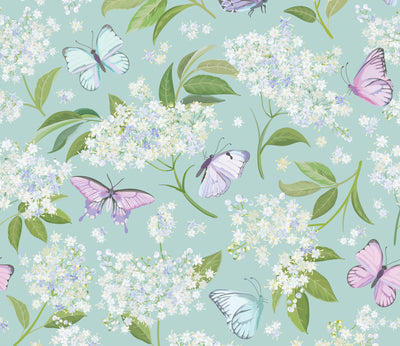
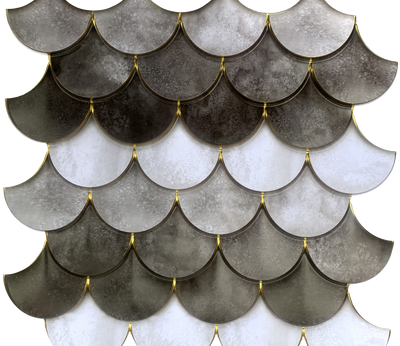
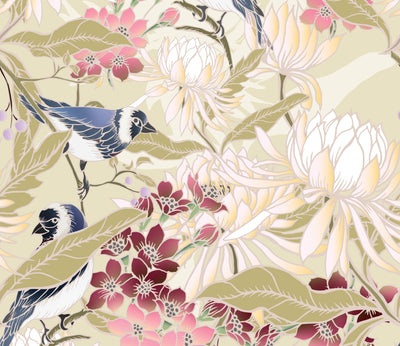
Paper-based sheets. A softer, newer take: a printed paper face with a gentler adhesive backing. It reads matte and fabric-like rather than plastic, trims with ordinary scissors, and tends to be kinder to painted walls when it comes off. It is not a scrub-with-bleach surface, though. Main Street's own designs live in this family. The Classic wallpaper sheets measure 11 x 16 inches and come in 12-packs; other formats, including the 8 x 8 inch wallpaper tiles, cover different amounts, so check the figure on each product page.
Specialty options. Clear laminating film for book covers and labels, frosted window film, and static-cling products that use no adhesive at all and hold to smooth glass by suction alone. Writable surfaces belong here too, and they are not all plastic: Main Street's Chalkboard Classic and Dry Erase Classic are peel-and-stick craft paper, 11 x 15 inches, made to take chalk or dry-erase markers on painted and finished surfaces.
None of these is objectively best. A vinyl film belongs in a utility drawer under a stack of mixing bowls; a paper sheet belongs on a wall you actually look at. Choosing badly is how people end up believing the whole category is a scam.
What is contact paper used for?
Almost anything flat, smooth and dry that you would like to look different by dinnertime. The most common jobs, roughly in order of popularity:
- Shelves and drawers. The original assignment. A lined drawer hides old scuffs, catches crumbs, and makes opening the junk drawer marginally less depressing.
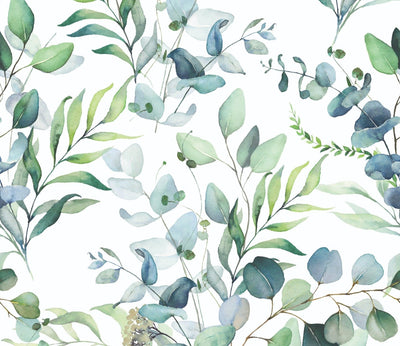
- Small furniture. Nightstand tops, bookcase backs, the flat side panel of a laminate desk, the front of a plain flat-pack chest. Pieces this size are where a single pack goes furthest, and a 12-pack of Eucalyptus peel & stick sheets will cover a small dresser front with room to spare.
- Accent walls, nooks and headboards. Sheet formats tile up into a paneled effect, which is why the Wood Slat Panel design works so well behind a bed or in a narrow entry.
- Styling surfaces and props. Trays, shelf risers, drawer fronts, photo backdrops. A Carrara Marble panel under a coffee station costs a fraction of a stone offcut and photographs just as well.
- Crafts and classrooms. Laminating labels, taping a sticky-side-out square to a window for toddler collages, masking off shapes for paint, and covering schoolbooks. There is a step-by-step in how to cover a book with contact paper.
Kitchen cabinets are their own conversation, because grease, hinges, door edges and daily hand contact all change the calculation, so we handle that separately in our guide to renter-friendly cabinet refacing.
Contact paper vs. peel-and-stick wallpaper
These two overlap enough that the terms get used interchangeably online, but the differences are real and they matter when you are choosing.
Format. Traditional contact paper comes on long, narrow rolls meant to be cut down to a drawer or shelf. Peel-and-stick wallpaper comes in wide rolls or in individual sheets and panels designed to be matched edge to edge across a large area.
Thickness and finish. Contact paper is usually thinner and often glossier. Wallpaper products are thicker and finished to read as decor from across the room rather than as a liner you only see when a drawer is open.
Adhesive strength. Classic vinyl contact paper generally grips harder than wallpaper adhesive. That is an advantage in a drawer and a liability on painted drywall, where a gentler, more forgiving adhesive is easier on paint when it comes down, though removal day still depends on your wall, your paint and how long it has been up.
Intended surface. Contact paper was designed for small horizontal surfaces. Wallpaper was designed for vertical ones, with pattern repeats and seam alignment built into the product. If you are weighing the broader options, our comparison of peel-and-stick versus traditional wallpaper covers the wall side in detail.
In practice, modern self-adhesive sheets sit in the middle: liner-easy to cut, wallpaper-nice to look at.
How to choose contact paper you will not regret
Four questions settle it.
What is the surface? Self-adhesive materials need something smooth, clean, sealed and dry. Smooth tile, sealed wood and painted drywall are the reliable trio. Textured and popcorn walls, brick, stone and chalky plaster don't give the adhesive a flat surface to hold onto; it is touching the peaks and missing everything else. That is the number one cause of peeling corners, and no amount of smoothing fixes it.
Is the area wet or hot? Main Street's paper sheets are not built for wet zones or heat. Shower surrounds, the splash zone behind a sink and the strip immediately around a cooktop all work against the adhesive over time, and steam finds edges long before you notice it has. A genuinely wet or hot spot needs a sealed vinyl product, which is not what we make, and is not a permanent fix either.
How much do you need? Sheet products make this easy: each 11 x 16 inch sheet covers about 1.22 square feet, so a 12-pack covers roughly 14.6 square feet. Coverage differs by format, so our measuring guide walks through working out your number before you order. Running out mid-wall is a special kind of misery.
Does it need to come off cleanly? If you rent, this is the deciding question, not the pattern. Adhesive strength, wall paint age and how long the material has been up all affect what happens on removal day, and we go through the residue and damage side of it in is contact paper removable?
Once you have chosen, the mechanics are straightforward. Our walkthrough on how to apply contact paper covers prep, alignment and bubble-free smoothing, and how to remove contact paper handles the day you change your mind.
Frequently asked questions
What is contact paper, in one sentence?
It is a decorative sheet or roll with adhesive already on the back, covered by a peel-off liner, used to cover shelves, drawers, small furniture and walls. It is a category rather than a single material, so specific versions range from tough vinyl film to soft self-adhesive paper, with very different strengths and limits.
Is contact paper waterproof?
Some is, some is not. The classic vinyl films were built for damp drawers, which is why they became shelf liners in the first place. Main Street's wallpaper and craft-paper sheets sit at the far end of that range: they are paper, so they are neither waterproof nor water-resistant, and bathrooms, showers and other wet zones are simply the wrong address for them. It is constant humidity, far more than the occasional splash, that undoes a paper sheet. Occasional light dusting is fine; standing water and constant humidity are not.
Can you use contact paper on walls?
Yes, provided the wall is smooth, clean and painted. New paint needs time first: Main Street's published guidance is to wait at least four weeks after painting, by which point the paint has fully cured and the adhesive has something stable to grip. Skip textured or popcorn finishes, brick, stone, and, for paper-based sheets like ours, ceilings. Wall-focused sheet products are a better bet than heavy vinyl liner, since the gentler adhesive is easier on paint when you take it down.
How long does contact paper last?
There is no single number, because it depends far more on conditions than on the calendar. On a well-prepped, dry, low-traffic surface an install can keep looking fresh for a long time. On a surface that gets wiped daily, bumped, heated or steamed, expect edges to lift much sooner. Prep matters more than the material you chose.
Featured in this article
Shop the wallpapers mentioned above.


Does Shelf Liner Attract Bugs? What Really Draws Pests to Your Shelves

How to Make a Stencil With Contact Paper for Crisp Painted Lines

Chalkboard Paint vs Chalkboard Wallpaper: Which Writable Wall Should You Choose?

How to Do Corners With Contact Paper: Inside, Outside and Rounded Corners

How to Cover a Desk With Contact Paper (and a Table Too)


