





Short version: yes. Longer version: "is contact paper removable" is really two questions in a trench coat pretending to be one. Will it peel off? And what will it leave behind when it does? The answers depend almost entirely on what you stuck it to and how long ago you stuck it there.
This guide is about furniture: shelves, drawer bottoms, cabinet doors, a tired laminate desk, the dresser your landlord left in the bedroom. We are not going to hand you a blanket guarantee of damage-free, residue-free removal. Our sheets are designed to be removable and repositionable, and on the right surface they usually come away cleanly, but no adhesive can promise the same result on every surface, in every home, after any length of time. What we can do is tell you which surfaces behave, which ones don't, and how to find out before you commit.
Is contact paper removable? Yes, and three things decide how cleanly
Self-adhesive paper like ours is engineered to release: the adhesive is formulated to let go of the surface rather than tear itself apart, which is what separates it from packing tape or a permanent decal. On a good surface, a clean peel is genuinely the normal outcome. But "removable" describes what the product is designed to do, not a guarantee about your particular dresser. Three variables decide how the peel actually goes:
- The surface. Non-porous and sealed is easy. Porous, raw or flaking is not.
- Time. A month is not the same as four years.
- Technique. How you peel matters too, though that part belongs to the removal guide rather than this one.
We won't walk you through the peel here, because it has its own guide: see how to remove contact paper for the step-by-step. Heat is optional: a hair dryer on low is a widely used DIY move for a stubborn edge, not an instruction of ours. If you haven't applied yet, how to apply contact paper covers the prep that makes removal easier later. And for the wider picture of what this material is and isn't, start with what is contact paper.
The surface underneath decides almost everything
If you remember one thing from this article, make it this: the same sheet, applied the same way, comes off two completely different ways depending on what's under it.
Best case: sealed and smooth. Laminate, melamine, factory-finished MDF, sealed or varnished wood, smooth tile. These are non-porous, so the adhesive sits on top of the finish instead of sinking into it, and it lifts as one layer. Conveniently, this is the category most flat-pack furniture falls into.
Middle ground: painted furniture. Here it depends on the paint, not the paper. Fully cured, well-adhered paint in decent condition usually survives fine. Paint that is chalky, unsealed, very fresh, or already lifting at the edges is a different story, because the adhesive can end up gripping the paint more firmly than the paint grips the wood. Latex in particular needs weeks, not days. Main Street asks for four weeks after the final coat, so the paint is fully cured before anything is asked to stick to it, and that wait is no shorter for a dresser than it is for a wall.
Highest risk: unsealed, porous or already failing. Raw wood, bare particleboard, exposed MDF edges, unfinished shelving, bubbling veneer, anything with peeling paint. On porous wood the adhesive soaks into the open grain and keys physically into the fibers, so when you pull, you're pulling on wood fibers, and some come with it. Sealing or priming first changes the outcome dramatically.
Some pieces simply aren't worth the experiment: antiques, heirlooms, hand-finished shellac or wax, and anything you would be upset to devalue. Rooms matter as much as pieces do. Because these sheets are paper, and therefore neither waterproof nor water-resistant, a vanity in a steamy bathroom will loosen an edge that the identical dresser would have held for years in a dry bedroom. Wet zones and showers work against the adhesive whatever it is stuck to.
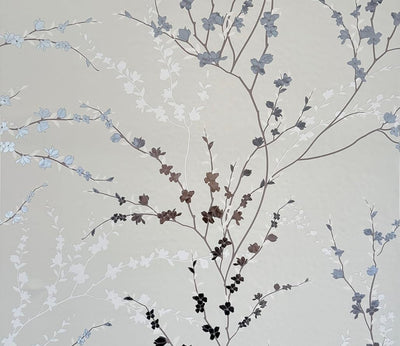
Which is why you should do a test patch. It takes ten minutes and saves entire weekends. Stick a small square somewhere invisible on the same piece: inside a cabinet door, under a shelf, behind a drawer front. Leave it a couple of days so the adhesive has time to actually grab, then peel slowly and inspect both the surface and the back of the paper. Finish intact and adhesive clean? You have your answer. Paint lifted or the surface gone fuzzy? You also have your answer, just a less fun one. A pattern like Gold Woven is easy to test this way, because each pack is individual sheets rather than one giant roll.
Why residue happens, and how long you can leave it up
Adhesive residue isn't a defect. It's chemistry doing exactly what chemistry does. When a self-adhesive sheet sits on a surface, the bond keeps developing: the adhesive slowly flows into every microscopic texture in the finish, and over months and years it can stiffen and lose its easy release. At some point its grip on the surface can become stronger than its grip on itself. When that happens and you pull, the adhesive splits internally instead of releasing, so half comes away with the paper and half stays put. That's the sticky film people call residue, and it's why removable adhesives get less removable with age.
Things that speed this up: direct sunlight, heat, humidity swings, kitchen grease, and porous surfaces that give the adhesive somewhere to sink into. Things that slow it down: sealed non-porous finishes, stable indoor temperatures, and shade.
So how long can you leave it up? We're not going to hand you a number of years, because there isn't an honest one. A drawer interior in a cool bedroom and a shelf in a south-facing window are not the same environment, and pretending one figure covers both would be marketing, not advice. What we will say is that the shorter the stay, the cleaner the peel, and that anything living on a hot or sun-drenched surface is better planned as seasonal decor than as a permanent finish.
If residue does show up, it's usually a solvable annoyance rather than ruined furniture. The removal guide linked above covers what to reach for, and which solvents to keep well away from a varnished surface.
Renters, roommates and furniture that isn't yours
This is where removability stops being a technical question and starts being a deposit question. If the furniture came with the apartment, belongs to a roommate, or is a hand-me-down you may one day hand back, the rules change. Ask first, in writing if your landlord is the type. Photograph the piece before you start, so you have a record of the scuffs that were already there. Read the lease, because some are surprisingly specific about fixtures. And apply the surface logic above with extra caution: a landlord's laminate cabinet is a great candidate, a landlord's unsealed pine shelf really isn't.
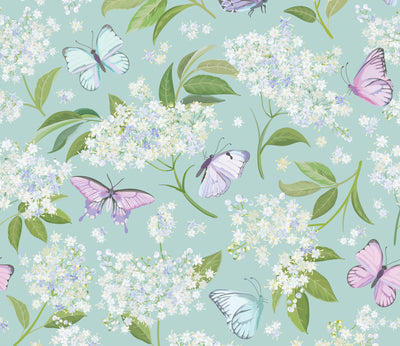
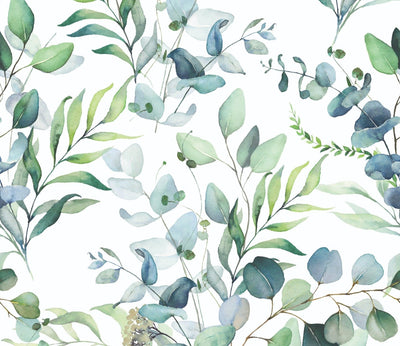
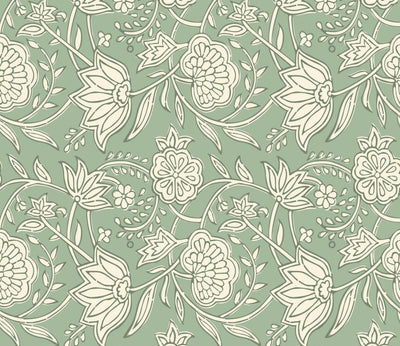
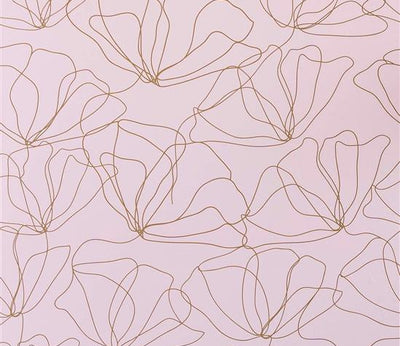
The nice thing about a sheet format is scale. Each sheet in our packs is 11 x 16 inches, so you can transform one drawer front, one shelf face or the inside of a cabinet and stop there. Small commitment, easy to undo, easy to test. Friendly Flowers and Peony Party both suit that kind of contained, low-stakes upgrade, and keeping a spare sheet or two means you can patch instead of redo. Scaling up to a whole piece is a different project, covered in our guide to wallpapering furniture.
Walls are a related but separate conversation, with different surfaces and different risks; if that's your question, we covered it in will peel and stick wallpaper damage walls. For the broader renting picture, is peel and stick wallpaper renter friendly goes deeper on deposits and permissions.
Frequently asked questions
Is contact paper removable from laminate furniture?
Laminate is one of the friendliest surfaces for it. It's non-porous and factory-sealed, so the adhesive rests on the finish rather than soaking in, and it usually peels away in one piece. That said, no removal is guaranteed. Age, heat and sun exposure all matter, so test a hidden patch before you commit to covering a whole piece.
Will it ruin unfinished or raw wood?
Raw wood is the highest-risk surface we know of. The adhesive sinks into open grain and bonds to the fibers themselves, so peeling can lift fuzz, splinters or a thin layer of wood along with the paper, and residue is common. On truly bare wood we would skip it, or seal the surface first.
Does it leave residue on painted furniture?
Sometimes, and the paint is usually the deciding factor rather than the paper. Fully cured, well-bonded paint in good condition tends to release cleanly. Fresh paint that hasn't finished curing, unsealed chalk paint, or old paint already flaking at the edges can lift with the sheet. Wait the full four weeks Main Street asks for after painting, then test a small hidden area.
Can I reuse a sheet after peeling it off?
During application, yes: our sheets are repositionable, so you can lift and realign while you're still working. After a long stay on furniture, realistically no. The adhesive collects dust and loses tack, and paper that has been stretched or creased won't lie flat again. Treat removal as final, and keep a spare sheet for touch-ups.
Featured in this article
Shop the wallpapers mentioned above.


Does Shelf Liner Attract Bugs? What Really Draws Pests to Your Shelves

How to Make a Stencil With Contact Paper for Crisp Painted Lines

Chalkboard Paint vs Chalkboard Wallpaper: Which Writable Wall Should You Choose?

How to Do Corners With Contact Paper: Inside, Outside and Rounded Corners

How to Cover a Desk With Contact Paper (and a Table Too)


