









A bathroom vanity is one piece of furniture holding at least two climates. The top drawer, a little way from the basin, stays about as dry as a desk drawer. The cabinet underneath shares its air with plumbing that can sweat in a steamy room. Bathroom drawer liners do well in the first and badly in the second, and which material you bring matters just as much as which drawer you pick.
Here is the vanity drawer by drawer, with the product Main Street's own guidance points to for a bathroom and the spots better left bare.
Start with what Main Street says about bathrooms
Main Street's How to Use page keeps a short list of places to avoid, and one of them is areas exposed to moisture, with bathrooms, showers and wet zones named in the same line. The product pages for the 11 by 16 inch wallpaper sheets repeat the point in plain words: skip bathrooms and showers. That takes the sheets out of this project entirely, which matches what we said in our guide to peel and stick wallpaper in the bathroom.
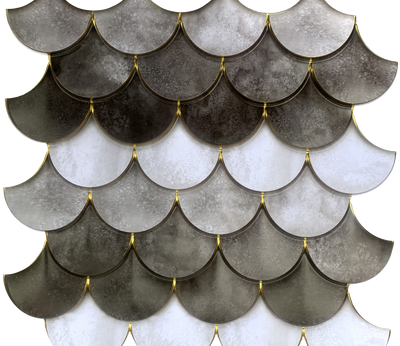
The Wallpaper Tiles are where the brand itself makes an exception. Their product pages describe them as a fit for kitchen backsplashes and bathroom walls. They are still paper, 8 by 8 inches each with a self-adhesive backing, so nothing about them is built for standing water. They are simply the line Main Street positions for the bathroom, as decorative pieces kept away from direct water. A calm print such as White Subway or Marble Silver Hexagon suits a drawer you open every morning.
One qualifier: the tiles are marketed for bathroom walls, not drawer interiors, and the brand publishes no rating for a drawer. A closed drawer sees less steam than an open wall, but treat your first one as a trial.
Where bathroom drawer liners belong, driest spot first
Stand in front of your vanity and rank what you see by how much damp air reaches it. The order usually runs like this:
- A bank of drawers to one side of the sink. This is the best candidate in the room. The drawers stay closed, sit away from the basin, and tend to hold dry things: cotton pads, hair ties, spare toothbrushes, makeup.
- The drawer right beside the basin. Possible, but line it last. It is the drawer you open with wet hands, and drips off the counter edge land on its front strip.
- Open shelves, including the unit over the toilet. Leave them. A bathroom shelf liner on an open shelf takes the full steam of every shower, which is exactly the exposure the brand tells you to avoid.
- The medicine cabinet. Leave it too. It hangs above the sink in the warmest, dampest air in the room.
- The cabinet under the sink. No, and it gets its own section below.
A useful rule of thumb: if a spot feels clammy right after a shower, it is out. Lining bathroom drawers only makes sense where the drawer stays shut and the air inside stays dry.
Why the cabinet under the sink stays bare
The under-sink cabinet is the space most people want to line, and the one we would talk you out of. The trap and supply lines can sweat, fittings can weep slowly for weeks before anyone notices, and there is almost no airflow to dry things out.
There is a second reason, and it matters more than the liner itself. A bare cabinet floor is an early-warning system. A faint water ring on the base panel is often the first sign of a slow leak, and a liner covers that stain up until the damage underneath is already done. Leave that floor bare so you can see it. If you were hoping to line the same spot in the kitchen, the logic is identical, and our guide to lining the inside of kitchen cabinets walks through the rest of that cabinet.
The same caution applies to a bathroom cabinet liner in a tall linen unit beside the shower. Closed doors help, but the air inside is still bathroom air.
Lining a vanity drawer with Wallpaper Tiles
Start by emptying the drawer and measuring the inside, width by depth. The tiles are a fixed 8 inch square, so the math is a grid rather than a roll. A drawer that measures, say, 12 inches wide and 18 inches deep inside takes a grid two tiles across and three deep: six tiles, trimmed at one side and at the back. A 24-pack holds 24 tiles, roughly 10.67 square feet, which covers about four drawers of that size.
Lay full tiles along the front edge, the strip you see every time the drawer opens, and push the trimmed pieces to the back and the side you notice least. Butt each tile against its neighbor without overlapping, since a ridge is the first thing a bottle catches on. A grid of squares is also the one layout where a seam looks planned, and a tile in a wall shade, like the gray Silver and Gray, makes the drawer read as part of the room. Our self-adhesive drawer liner guide covers seams and fitting in more detail.
Two bathroom-specific habits make a difference:
- Prep in a dry room. Main Street's prep step is a wipe with a damp cloth, or a mix of 30% isopropyl alcohol and 70% water, then letting the surface dry completely. In a bathroom, do the job when nobody has showered for a few hours, and leave the drawer open a while after cleaning.
- Test the drawer bottom. The tile pages name painted and finished walls as the recommended surface. Vanity drawer boxes are often finished, but the bottom panel can be raw particleboard. Press a scrap into a back corner, leave it a day, then lift it. If it lets go instantly, pick a different drawer.
Then live with that one drawer for a few weeks of ordinary showers before you line the rest. If the corners start creeping up, the drawer is telling you the room is damper than it looks, and you have learned that on six tiles rather than twenty-four.
Spills, drips and the water-resistant question
Bathroom drawers hold things that leak: toner, a hair oil with a loose cap, the last of the nail polish remover. Drawer liners for bathroom use are a surface, not a seal. Liquid finds the seam between two tiles and works underneath, so wipe spills straight away and stand anything that can leak in a small dish or tray. Main Street doesn't publish any resistance to solvents, so the remover belongs in a container whatever is under it.
You might wonder whether a water-resistant option exists. In the Main Street range, the Luxury Cardstock line is the one described as water-resistant, and the page for Impressive Geometry suggests it for coasters and trays. That points to a neat use here: cover a small tray with a panel and let the tray, rather than the drawer, take the drips. Keep one distinction in mind. Water-resistant describes a face that shrugs off a splash; it says nothing about how an adhesive copes with months of bathroom humidity, and that same product page carries the brand's advice about moisture-exposed areas. The Wallpaper Tiles and the wallpaper sheets are not described as water-resistant at all.
The linen closet down the hall is a different story
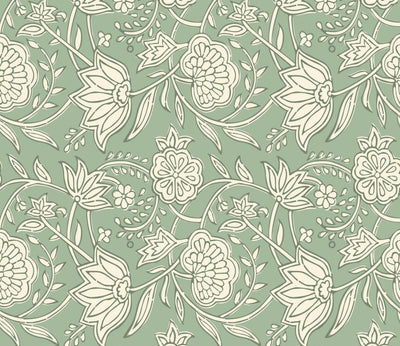
A lot of what people call bathroom storage actually lives outside the bathroom: towels, spare soap and toilet rolls in a hallway linen closet. That closet sits out of the steam, and a dry closet shelf is one of the easiest places in the house for the 11 by 16 inch sheets. A soft botanical like Eucalyptus suits folded towels, and our guide to lining closet shelves and dresser drawers covers that job start to finish.
The dividing line is the door. If the closet opens into the bathroom, or shares the room's air, treat it as the bathroom. If it opens onto the hall, it is a closet, and the sheets are welcome there.
Frequently asked questions
Should you line bathroom drawers?
Line the ones that stay closed and dry, such as a drawer bank to one side of the sink. Skip open shelves, the medicine cabinet and the cabinet under the sink. Main Street lists moisture-exposed areas like bathrooms among the places to avoid, so choose the Wallpaper Tiles the brand markets for bathrooms, and try one drawer before committing to the whole vanity.
What kind of liner can go in a bathroom vanity drawer?
Within the Main Street range, the Wallpaper Tiles are the line described as suited to bathroom walls, so they are the sensible pick for a closed vanity drawer kept away from direct water. The 11 by 16 inch wallpaper sheets carry an instruction to skip bathrooms. Keep those for dry spots outside the room, such as a hallway linen closet.
Can you put a liner under the bathroom sink?
We would not. The under-sink cabinet is a damp zone where plumbing can sweat or weep and there is little airflow to dry things out. A liner there also hides the water ring on the cabinet floor that usually gives away a slow leak. Keep that base panel bare so you can check it at a glance.
Is peel and stick drawer liner waterproof?
Main Street doesn't describe any of the lines in this guide as waterproof. The Luxury Cardstock line is published as water-resistant, meaning its face handles a splash, while the Wallpaper Tiles and wallpaper sheets carry no water-resistance claim at all. In any bathroom drawer, wipe spills straight away and keep liquids that might leak in a small tray.
How many wallpaper tiles does a bathroom drawer need?
Measure the inside of the drawer and count it in 8 inch squares, rounding up. A drawer 12 inches wide and 18 inches deep takes a grid two tiles across and three deep, so six tiles with trimming. A 24-pack covers about 10.67 square feet, which is enough for roughly four drawers of that size.
Featured in this article
Shop the wallpapers mentioned above.


Bathroom Drawer Liners: Which Drawers to Line, and With What

Lining Kitchen Shelves: The Order of Operations

How to Choose Shelf Liner: Five Questions That Decide It

Cabinet Liner: How to Line the Inside of Kitchen Cabinets

Non-Toxic Shelf Liner: What the Label Actually Tells You


