





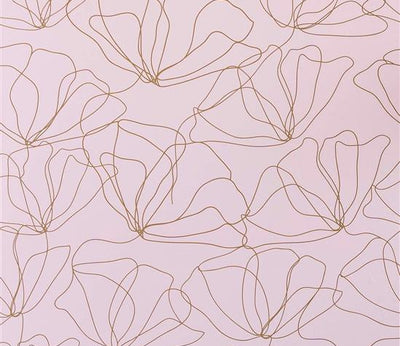

Two people can buy the same shelf liner and come away with opposite opinions of it. One lined a dry linen closet and forgot about it. The other lined the cabinet under the kitchen sink and was peeling it off by spring. Type contact shelf liner into a search bar and what comes back is a ranking, and a ranking has no way of knowing which of those two shelves is yours.
Why the "best shelf liner" lists keep contradicting each other
Roundups rank products. Shelves are situations. A liner that behaves beautifully on a painted closet shelf can fail on a raw plywood pantry board six feet away, and neither result says anything useful about the product on its own.
So this guide is deliberately not a ranking. It is five questions to ask about the shelf in front of you, in the order that actually saves you money. Answer them and the shortlist writes itself, whether you end up buying from us or from someone else entirely.
You do not need to answer all five for every project. A dresser drawer settles itself at question two. A kitchen full of cabinets deserves all five, because that is the project where getting it wrong is repeated eleven times.
Question one: does it need to hold itself up?
This is the fork that decides everything downstream, and it is the one most people skip.
Loose liner is a cut-to-size mat that sits in the bottom of a drawer. Gravity is the only thing holding it there. It lifts out for washing, it forgives a crooked cut, and it is genuinely the lower-risk choice if all you want is a barrier under some cutlery in a rented kitchen.
Adhesive liner has the glue already on the back and a release liner you peel away. It bonds. That is why it can wrap the front edge of a shelf, cover the inside face of a cabinet door, or run up the back panel of an open bookcase without sliding an inch. If you want the surface to look different rather than just be protected, this is the category you are in, and the rest of the questions apply to you.
Renting complicates this slightly, and not in the direction people expect. Drawer interiors and cabinet insides are rarely what a landlord inspects, so the adhesive question is usually about your own tolerance for redoing it later rather than about your deposit.
If you want the difference spelled out at the aisle level, our guide to where to buy contact paper covers what the packaging words mean.
Question two: will the surface take a contact shelf liner?
Adhesive is only as good as what it grips. Main Street publishes its short list of best surfaces and it is worth reading literally: smooth tile, sealed wood surfaces, and painted drywall that is clean, flat and dry.
The problems are equally specific. Raw wood, bare plywood and unfinished MDF are thirsty, and a porous board pulls the adhesive into itself instead of letting it grab. Old shelving that has been waxed or polished for years can carry a film that nothing sticks to. And if a shelf has been painted recently, Main Street's guidance is to wait at least four weeks before applying anything to it.
Two minutes of diagnosis beats a weekend of regret here. Run a hand across the shelf. If it feels chalky, fuzzy or slick, apply a small offcut to a hidden back corner, leave it a day, and see whether it lifts. We go surface by surface in what does contact paper stick to, and wood in particular gets its own treatment in lining wood shelves.
Question three: how does the format meet your shelf?
Liner comes in three shapes, and the shape decides where your seams land.
Rolls in the liner aisle are typically 12 to 20 inches wide. They suit long uninterrupted runs, such as a bank of matching drawers, because you cut only what each one needs.
Sheets work in modules instead. Our Classic sheets measure 11 by 16 inches, which is 1.22 square feet each, or roughly 14.6 square feet in a 12-pack. Craft papers vary, so check the page rather than assuming one grid across the range: Chalkboard Classic, for instance, is 11 by 15 inches. Wallpaper tiles are a third module again at 8 by 8 inches, about 10.67 square feet in a 24-pack.
A worked example shows why raw square footage misleads. A 30-inch-wide cabinet shelf at 12 inches deep is 2.5 square feet, and two sheets are 2.44, so on paper you are almost there. In practice you lay three sheets with the 16-inch side running front to back and trim the overhang at the front edge, which makes a 12-pack four shelves of that size. Take the same pack to a 24-inch-deep pantry board, where every column needs a second row, and it goes half as far.
Here is the part worth measuring before you buy. A 16-inch sheet does not span a 24-inch-deep shelf, so a deep shelf takes two rows and a horizontal join. Put that join where it will sit under stored items rather than across the visible front third, and it disappears. Cut-to-fit shelf liner works through the tiling math for shelves that are not a standard width.
Question four: pattern and colour are functional choices
Inside a cabinet, colour stops being taste and starts being maintenance.
Dark liner swallows ring marks, tea stains and the grey smudge a cast-iron pan leaves behind. It also displays every crumb and speck of flour like evidence. Light liner does the reverse: forgiving about dust, unforgiving about the spill you did not catch. Pick according to what your shelf realistically collects, which is a different question from what looks good in the photo. There is more on that trade-off in black and white shelf liner.
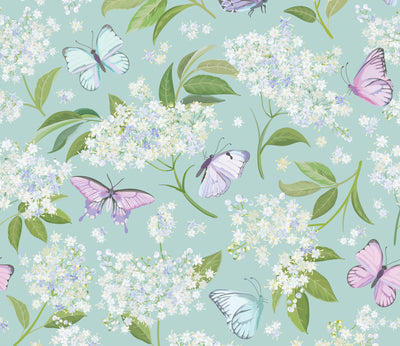
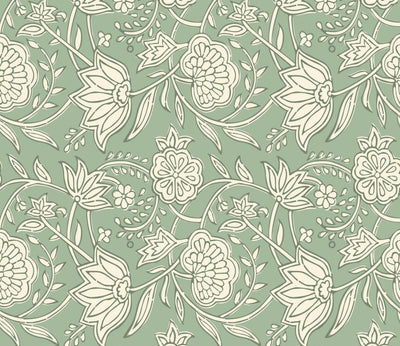
Scale matters just as much. A drawer is roughly a picture frame, so a large repeat gets cropped into unrecognisable fragments while a tight one reads as texture, which is why something like Herringbone holds together in a small box where a big bloom such as Peony Party wants the room of an open shelf or a cabinet back panel.
One useful hybrid: Chalkboard Classic lines a shelf and then takes chalk or a chalk marker, so the liner and the label are the same piece of paper.
Question five: is this a job paper should not take?
The honest answer to "which liner is best" is sometimes "none of them, not here". Main Street publishes the surfaces to avoid, and they are worth taking at face value: textured or popcorn drywall, brick and stone, ceilings, and areas exposed to moisture such as bathrooms, showers and wet zones.
That last one governs the cabinet under your sink. A slow supply-line drip, condensation on a cold trap, damp trapped behind a closed door: our 11 by 16 inch Classic sheets and the Craft Paper line are paper, and they are not sold as waterproof or water-resistant. Lining that particular box is asking the material to do a job it was not built for. Heat is the same story directly behind a stove.
None of this is a reason to talk yourself out of the project. It is the opposite: the shelves that suit adhesive paper are the overwhelming majority of shelves in a house, and knowing where the line sits is what lets you commit to the rest without hedging.
You will also see liner sold for heavy tool drawers, where the point is a cushioned non-slip mat under metal. Paper does not do that job either. Knowing which shelves to skip is what keeps the rest of the project looking deliberate.
Frequently asked questions
What is the best shelf liner for kitchen cabinets?
There is no single best one, because kitchen cabinets are not one environment. For dry upper cabinets and pantry shelves with a smooth, sealed or painted interior, adhesive paper liner works well and looks intentional. For the cabinet under the sink, skip paper entirely and use a wipeable mat you can lift out and dry.
Is contact paper the same thing as shelf liner?
Overlapping, not identical. Shelf liner is a job, and several materials do it, including loose mats with no adhesive at all. Contact paper is one specific material: a decorative sheet with pressure-sensitive adhesive already applied. All contact paper can be shelf liner. Plenty of shelf liner is not contact paper.
Should I choose adhesive or non-adhesive shelf liner?
Decide by what the liner has to do. If it only needs to sit flat in the base of a drawer and lift out for cleaning, non-adhesive is simpler and easily reversed. If it has to stay on a vertical surface, wrap a shelf edge, or genuinely change how the space looks, only an adhesive liner will hold that position.
How much shelf liner do I need?
Measure each shelf's depth by its width, add the totals, then check that number against the coverage printed on the product page rather than estimating. Our Classic sheets cover 1.22 square feet each, about 14.6 square feet per 12-pack. Buy a little over: offcuts become your test patches for the next shelf.
Featured in this article
Shop the wallpapers mentioned above.


How to Choose Shelf Liner: Five Questions That Decide It

Cabinet Liner: How to Line the Inside of Kitchen Cabinets

Non-Toxic Shelf Liner: What the Label Actually Tells You

Decorative Drawer Liners: Pattern Scale in a Small Box

DIY Shelf Liner Ideas That Don't Look Like Shelf Liner


