





Picture the shelf where the everyday plates live. Every morning a stack slides out, every evening it slides back in, and after a few years the finish at the front edge has gone dull in a neat plate-shaped arc. That arc is what people are really shopping for when they search for a drawer protector or a cabinet shelf liner. So does a liner actually stop it? Some of it, yes. The rest of this guide sorts the jobs a liner does well from the ones it quietly cannot do, so you know what you are buying before you line a single shelf.
What a drawer protector can actually stop
A self-adhesive liner is, at heart, a thin layer that takes the contact your cabinet would otherwise take. Anything that wears a surface by rubbing, scraping or sitting on it lands on the paper first. That covers more of daily cabinet life than you might expect:
- Scuffs and fine scratches. Plates dragged in and out, cans pushed to the back, a cutlery tray that shifts every time the drawer opens. The abrasion hits the liner instead of the paint or the laminate.
- Rings and sticky marks. The honey jar with a drip down its side, the syrup bottle, the oil bottle that is never quite clean at the base. Those rings end up on a sheet you can replace rather than on the shelf itself.
- Grit and crumbs. Small debris that gets ground into a bare shelf by whatever sits on top of it lands on the paper instead.
All three are slow, dry, surface-level wear. That is exactly the kind of damage a thin covering is built to absorb, and it is why a liner earns its place in the busiest drawers and on the most-used shelves.
What it won't stop: leaks, heat and weight
Water and spills
The 11 x 16 in Classic Sheets are peel and stick paper, and Main Street does not sell them as waterproof or water-resistant. A splash wiped up promptly is one thing. A bottle that tips over and sits, a dish put away wet, or a slow drip under the sink is another. Liquid can soak into paper or creep in along a seam, and once it is under the sheet you cannot see it. That is why the brand's own guidance lists areas exposed to moisture among the places to avoid, and why the cabinet under the sink is better left bare. Our guide to lining the inside of kitchen cabinets walks through which boxes to skip.
Heat
Main Street publishes no heat rating for its sheets, so treat a lined shelf as a place for things that have cooled down. A hot pan, a baking dish straight from the oven or a cabinet that sits right beside the stove are jobs for a trivet or a bare surface, not for paper.
Weight and impact
A sheet of paper is not padding. It will not cushion a cast-iron pan dropped onto a shelf, and it will not spread the load of a heavy stand mixer. If a shelf holds your heaviest cookware, the protection you need is careful placement, not a covering.
Where the wear really happens inside a cabinet
Once you know a liner fights friction rather than floods, you can put it where friction lives. Look at your own cabinets before you buy and you will usually find the same few hot spots:
- The front third of a shelf. This is where things are set down, slid and grabbed. The back of a deep shelf often sees almost no traffic at all.
- Cutlery and utensil drawers. Metal on a drawer bottom, dragged back and forth dozens of times a day, is about as abrasive as a kitchen gets.
- Pantry-style shelves holding cans and jars. Rims scrape, and bases leave rings.
- The mug shelf. Rims and bases both touch the surface, and mugs get put away in a hurry.
Those four spots are where a drawer protector pays you back. A shelf holding a row of rarely used serving platters, on the other hand, barely wears at all, and lining it is mostly about looks. That is a perfectly good reason to line it, as long as you know that is the reason.
The protective layer is also a layer you'll remove
An adhesive liner protects a surface by sticking to it, which means the liner is itself something that surface will have to part with one day. Protection only makes sense if that eventual removal is something you are comfortable with.
How comfortable depends mostly on what is underneath. Main Street's product pages list painted, sealed and finished surfaces as the intended application surface. Raw or unsealed wood is a different story, because porous material grabs adhesive differently; our article on lining wood shelves covers how the finish changes the result. Two habits make the whole arrangement safer:
- Respect fresh paint. If you have just painted the cabinet interior, Main Street's how-to guide says to wait at least four weeks before applying.
- Test a hidden corner first. Stick a small offcut somewhere nobody looks, leave it a while, and see how it behaves on that exact finish before you line the whole shelf.
Several of Main Street's product pages describe the paper as designed to peel away cleanly from suitable walls, and even there they suggest testing a small spot first, because results can vary. We will not promise you more than that. When the day comes, Is Contact Paper Removable? is the place to read before you start peeling.
Protect the shelf without hiding a problem
A liner that covers a shelf also covers whatever is happening to that shelf. A few simple rules keep the covering from turning into a blindfold:
- Put dishes and glasses away fully dry. Water trapped between a damp bowl and a paper sheet is an easy way for a dry cabinet to stop being dry.
- Leave any cabinet with plumbing, a history of leaks or a musty smell unlined, so trouble stays visible.
- If a sheet ever looks swollen, wavy or discolored, take that as a signal to investigate the shelf beneath rather than simply lining over it again.
- Choose a liner that stays put. A loose mat that travels with every drawer opening lets crumbs underneath and scuffs both surfaces; why shelf liner slides around explains the difference full adhesive makes.
Choosing sheets for a shelf that works hard
If protection is the goal, a couple of design choices help the liner do its job longer.
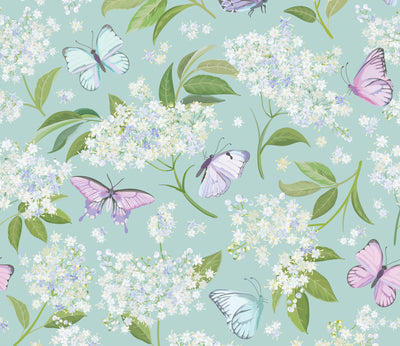
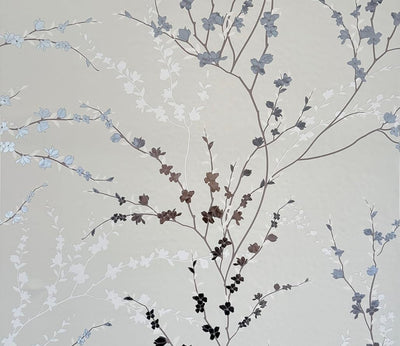
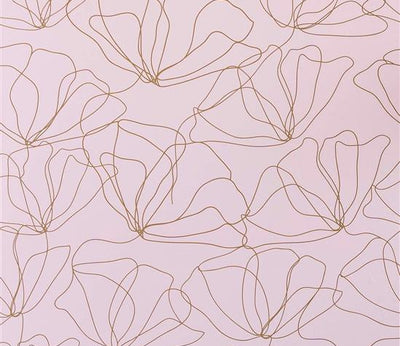
Let the pattern hide the wear. The liner takes the scuffs now, which means the liner is what will start to show them. A busy, all-over print disguises small marks far better than a flat pale field. A shifting wood-grain chevron like Herringbone or the soft veining of Carrara Marble will forgive a plate-shaped arc much longer than a solid color would.
Use the sheet format to your advantage. Main Street's Classic Sheets measure 11 x 16 in, about 1.22 sq ft each, with roughly 14.6 sq ft in a 12-pack. On a wide shelf that means a few sheets laid edge to edge. It also means the worn front strip is its own sheet, so if that section ever needs refreshing, you are dealing with one piece of paper rather than the whole shelf. Keep a couple of spares from the same purchase, since several product pages note that slight color variations can occur in printing and recommend buying all the sheets for a project at once.
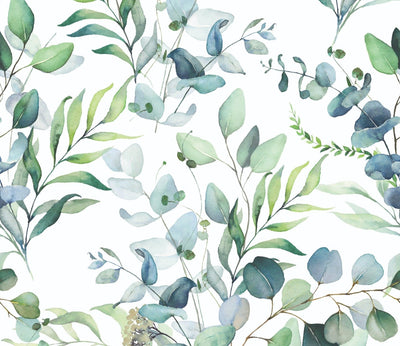
Line the back as well as the base. The back panel of an open shelf never gets scraped, which makes it the place for a pattern you simply enjoy looking at. A tree-canopy print such as Toile Forest turns a plain run of dishes into something closer to a display, while a quieter design like Eucalyptus suits a shelf you would rather keep calm.
Founder Jan McCallum trained as an oil painter, and that eye for pattern is behind every design in the range. On a working shelf it has a practical upside: a print that holds your eye also draws it away from everyday marks.
Frequently asked questions
What is the purpose of shelf liner?
Shelf liner puts a thin, replaceable layer between your belongings and the cabinet surface. It takes the scuffs from sliding dishes, the rings from sticky jars and the grit that gets ground into a bare shelf. It also adds color or pattern to a space you open every day. It is not a barrier against leaks, heat or heavy impacts.
Are cabinet drawer protectors worth it?
They are worth it where friction is constant: cutlery drawers, the front edge of everyday dish shelves, and shelves holding cans and jars. On shelves that barely get touched, a liner is mostly decorative. Skip lining any cabinet with plumbing or moisture, since a covering there can hide a leak rather than prevent damage from it.
Does shelf liner protect against spills?
Only in a limited way. A small, quickly wiped drip is fine, but paper liner is not a spill barrier. The Main Street Classic Sheets are paper and are not sold as waterproof or water-resistant, so liquid left standing can soak in or slip under a seam. Put dishes away dry and leave wet cabinets bare.
Is removable shelf liner safe for painted cabinets?
Painted, sealed and finished surfaces are what Main Street's sheets are made for, but no adhesive product can guarantee every finish. Wait at least four weeks after painting, as Main Street's how-to guide advises, test a small offcut in a hidden corner, and remove it gently and slowly when the time comes.
Do you need shelf liner in new cabinets?
You do not need it, but new cabinets are when many people choose it, because the finish has no wear yet to protect. Line the high-traffic spots first: the utensil drawer and the shelves holding everyday plates and mugs. Leave the sink base bare, and confirm the interior finish suits an adhesive product before you start.
Featured in this article
Shop the wallpapers mentioned above.


Does Shelf Liner Protect Cabinets? What a Drawer Protector Can and Can't Do

Dollar Tree Wallpaper Sheets as Shelf and Drawer Liner

Bathroom Drawer Liners: Which Drawers to Line, and With What

Lining Kitchen Shelves: The Order of Operations

How to Choose Shelf Liner: Five Questions That Decide It


