





Shelf liner gets sold as one product, but people reach for it for at least four different reasons: to catch spills, to stop things sliding, to hide a stained or scratched shelf, or simply to make an open cupboard nicer to look at. That is why the search for shelf liner alternatives goes sideways so often. The right substitute depends on the job, and once you name the job, the choice gets easy. Here is what to use instead of shelf liner (and instead of contact paper), sorted by the problem you are actually trying to solve.
Name the job before you pick a substitute
Stand in front of the shelf and ask what is bothering you. Most answers land in one of these buckets:
- Spills and drips. Oil bottles, honey jars, cleaning sprays, anything that leaks.
- Sliding. Glasses that skate when the door shuts, a spice rack that drifts toward the edge.
- A shelf you would rather not see. Rings, old adhesive, chipped paint, a builder-white laminate that came with the rental.
- Looks. Open shelving, a glass-front cabinet or a pantry you see every morning.
A single product rarely solves all four well. A cushioned roll is good at grip and poor at looks; a printed sheet is good at looks and the wrong call for a shelf that gets wet. Pick the bucket first and the rest of this guide gets much shorter.
When the best alternative is no liner at all
Plenty of shelves do not need anything. A factory-finished laminate or melamine shelf, or wood that is already painted or sealed, is a closed surface that wipes clean on its own. Adding a layer on top gives crumbs and drips one more place to hide, and it is one more thing to replace later.
Going bare makes sense when the shelf is in good shape, holds dry goods or dishes, and is easy to reach for a quick wipe. It makes less sense when the finish is already worn through, because then the shelf itself starts taking the damage. If you are unsure which side of that line your cabinets fall on, our guide to whether shelf liner protects cabinets walks through what a liner can and cannot shield.
For spills: things you can lift out and wash
If the worry is leaks, the smartest substitute is something you can pull out, rinse and put back. Adhesive anything is the wrong tool here, because a puddle that sits on paper or creeps under an edge turns a quick wipe into a small repair job.
- A tray or shallow bin. Corral the oils and syrups on a tray and the drip never reaches the shelf at all. It also turns a deep cupboard into something you can slide out like a drawer.
- A placemat cut to size. A wipeable placemat or a trimmed piece of washable mat works well under a cluster of bottles. It lifts out for the sink in seconds.
- A lift-out shelf mat. The non-adhesive, wipeable kind sold for this exact job is still a fine choice for wet spots. Look for one you can rinse and dry flat.
This is the right answer under the kitchen sink, inside the fridge and anywhere a cleaning bottle lives. Main Street’s own how-to-use page lists areas exposed to moisture among the places its sheets should not go, so a self-adhesive paper sheet is not what we would put in those spots either.
For a quick, cheap fix: paper you already own
The most common question behind “what can I use instead of shelf paper” is really about the junk drawer: wrapping paper, parchment, freezer paper, the leftover scrapbook pad. All of them can line a dry shelf for next to nothing, and they are easy to swap out when they get grubby.
The catch is that loose paper slides, curls at the corners and soaks up whatever lands on it. A little double-sided tape at the corners helps with the sliding, and cutting the paper about a quarter inch short of the shelf on every side keeps it from buckling against the walls. We covered the pros and cons of each type in detail in wrapping paper as drawer liner, and almost all of it applies to shelves too.
A good rule: loose paper is fine for linen closets, bookcases and display shelves where nothing wet ever lands. It is a poor choice for the shelf that holds the olive oil.
Fix the shelf itself instead of covering it
Sometimes the liner is a bandage over a shelf that needs real attention. Raw or worn wood is the classic case. Bare wood is porous, so it stains easily and does not give an adhesive much to grip. A coat of paint or a clear finish turns it into a sealed surface that wipes clean, and that may be all the shelf needed.
Paint has the added benefit of keeping your options open. A painted shelf is a good base for a decorative sheet later. If you go that route, Main Street’s guidance is to wait at least four weeks after painting before you apply its sheets, so plan the decorating stage for after the paint has had time to cure. For more on matching the approach to the wood, see lining wood shelves: sealed, painted or raw.
What to use instead of contact paper
Some people are not avoiding shelf liner so much as one particular kind of it. The shiny vinyl roll from the kitchen aisle is the usual suspect: it can look plasticky, the pattern choice is limited, and getting a long strip down without a bubble takes patience. If that is your complaint, you have a few good options.
Self-adhesive paper sheets
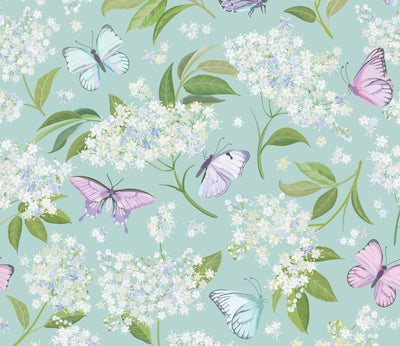
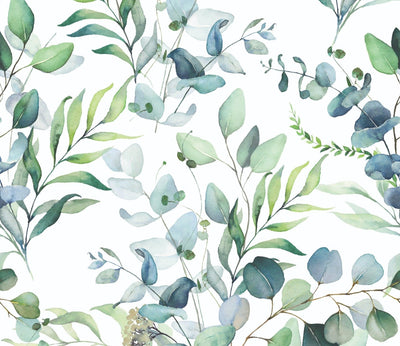
Peel and stick wallpaper sheets do the same job as decorative contact paper in a smaller, easier format. Main Street’s Classic Sheets are listed on their product pages as peel and stick paper wallpaper, at 11 by 16 inches per sheet, and the pages say they work as adhesive wallpaper or decorative contact paper and suit shelves, cabinets and wooden furniture. The application surface listed is painted, sealed and finished surfaces, which happens to describe most kitchen and closet shelves.
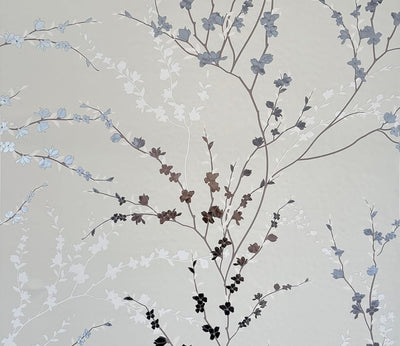
Because each piece is small, you are handling a manageable rectangle rather than wrestling a six-foot strip. A soft stone look like Carrara Marble reads clean inside a white cabinet, while a fine linear pattern such as Woven Stripe hides the seams between sheets well. For a glass-front cabinet where the shelf is part of the display, a bolder repeat like Indigo Diamonds or the botanical Magnolia Branches gives the eye somewhere to land.
A quick sizing example: a cabinet shelf 34 inches wide and 11 inches deep takes three sheets laid with the 11-inch side running front to back, with a trim off the last one. Four shelves that size use twelve sheets. The product pages advise buying everything for one project at once, since the printing process can cause slight color variations.
Two cautions. Sheets need a utility knife and a smoothing tool to go down neatly, so set those out before you start. And while the product pages describe the sheets as designed to peel off cleanly from suitable walls, a shelf finish is not a wall, so test a small corner first if you will need to remove them later.
A writable label strip
If the reason you wanted contact paper was pantry labeling, skip the full shelf and stick a strip along the front edge instead. The Chalkboard Classic craft paper is an 11 by 15 inch sheet that takes chalk and chalk markers, and one sheet cut into strips labels a whole pantry.
Crafts and cutting machines
Craft searches for “instead of contact paper” usually mean transfer tape or laminating, which is a different job. If you are working with a cutting machine, our article on using contact paper with a Cricut explains where the two overlap and where they do not.
Shelf liner alternatives at a glance
When you are standing in the cabinet with the door open, this short list covers most cases:
- Under the sink, in the fridge, under oil bottles: a tray or a lift-out washable mat.
- Sealed shelf in good condition, dry goods only: nothing at all, or loose paper if you like the look.
- Raw or worn wood: paint or a clear finish first, then decide.
- Open shelving, glass-front cabinets, a dated rental shelf: self-adhesive paper sheets on a painted, sealed or finished surface.
- Pantry labels: a writable strip on the shelf edge.
Frequently asked questions
What can I use instead of shelf liner?
It depends on why you wanted liner. For spills, use a tray or a lift-out washable mat. For a dry shelf that is already sealed, you can skip liner entirely or lay down loose wrapping or parchment paper. For looks on a painted, sealed or finished shelf, self-adhesive paper wallpaper sheets do the same job as decorative contact paper.
What can I use instead of contact paper?
Peel and stick wallpaper sheets are the closest swap for decorative uses, since they stick down and cover a shelf or drawer front the same way. Loose paper held with double-sided tape works for dry, low-traffic shelves. For spill zones, choose something non-adhesive you can lift out and wash rather than any adhesive covering.
Is it OK to not use shelf liner?
Yes, in many cabinets. A laminate, melamine, painted or sealed shelf in good condition already wipes clean, and adding a layer can trap crumbs underneath. Liner earns its place when the finish is worn, when you want grip for glassware, or when you want to change how an open shelf looks without repainting it.
Can I use wallpaper as shelf liner?
Self-adhesive paper wallpaper works on dry shelves with a smooth, finished surface, and Main Street’s Classic Sheets list shelves among their suggested uses. Keep paper sheets out of wet spots like under the sink. Traditional paste-up wallpaper is a harder fit, since you would need to apply and later remove the paste on a surface it was not made for.
What is the cheapest alternative to shelf liner?
Paper you already have at home: leftover wrapping paper, parchment, freezer paper or brown kraft paper. Cut it slightly smaller than the shelf so it lies flat, and tape the corners if it slides. It suits dry shelves well, though it will need replacing more often than an adhesive sheet or a washable mat.
Featured in this article
Shop the wallpapers mentioned above.

Carrara Marble Peel & Stick Wallpaper Sheets – 12 Pack
$31.00
Woven Stripe Peel & Stick Wallpaper Sheets – 12 Pack
$31.00
Indigo Diamonds Peel & Stick Wallpaper Sheets – 12 Pack
$31.00
Magnolia Branches Peel & Stick Wallpaper Sheets – 12 Pack
$31.00
Chalkboard Classic Peel and Stick Craft Paper
$5.00
Christmas Dining Room Decorations: Paper Ideas for the Wall, Table and Sideboard

Shelf Liner Alternatives: What to Use Instead, Shelf by Shelf

How to Cover a Bookshelf With Contact Paper: Back Panel, Shelves and Edges

Can You Write on Contact Paper? Markers, Pens and Chalk, Sorted

Can You Seal Contact Paper? Polyurethane, Epoxy and Clear Coats, Explained


