


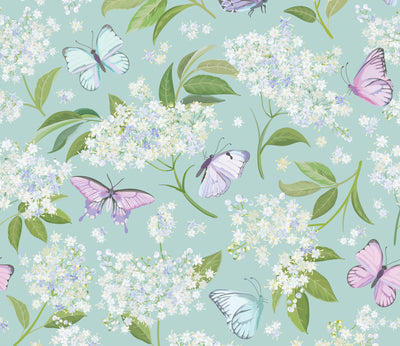
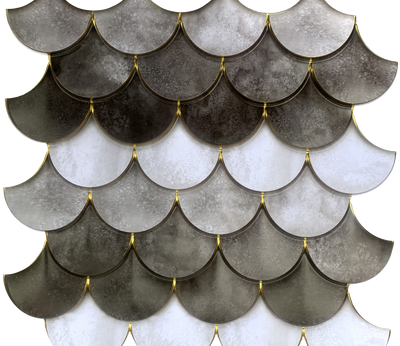


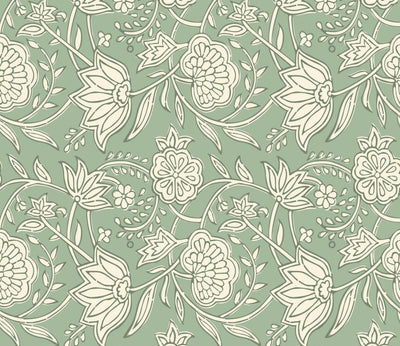
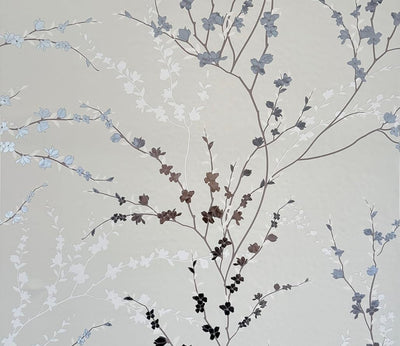


A new kitchen backsplash used to mean booking a tile installer, blocking off the kitchen for two days, and writing a check between $400 and $1,500 for a small wall. Peel and stick wallpaper tiles changed that math. The same square footage runs $40-100, installs in an afternoon, and removes cleanly when you want a change.
This is the honest guide to using peel and stick tiles for a kitchen backsplash — what works, what to avoid, and five specific designs from our catalog matched to kitchen styles.
Why peel and stick tile wallpaper works for kitchens
Three reasons it's become the renter and budget-conscious homeowner's go-to:
- Wipe-clean surface that handles everyday splashes. A quick wipe takes care of the occasional splash, so it works well on the decorative backsplash zone. Treat it as a dry-zone decorative finish — keep it away from direct stove heat and standing water rather than right at the flame or sink, and don't submerge it.
- Easy to wipe down. Splashes, oil, sauce — wipe with mild soap and a soft cloth. The surface doesn't soak up everyday stains.
- Goes over existing tile or drywall. If you have ugly old ceramic tile you want to hide, peel and stick tile installs right over it. No demolition.
Where peel and stick tile works in a kitchen
- The full backsplash — between counter and upper cabinets, the classic 18-inch strip, kept away from the sink's direct splash zone.
- The decorative wall behind the range — as a dry-zone accent, set back from direct stove heat rather than right at the burners.
- Range hood walls — the vertical strip beside or above a hood vent, away from direct heat.
- Open shelving back walls — instant feature behind dishware.
- Island sides — a 4-foot island side becomes a focal point with the right pattern.
1. Mediterranean mosaic — for warm, story-rich kitchens
The Blue Painted Stone Mosaic brings the look of hand-painted Mediterranean tile to your backsplash. The blue-and-stone palette works beautifully against white or light wood cabinets, and the dense pattern hides any small alignment imperfections. Best for kitchens that lean warm, traditional, or eclectic.
2. Brushed metallic — for modern industrial kitchens
For sleek modern kitchens with stainless steel appliances and minimal cabinet hardware, the Brushed Nickel and Silver Leaves tile gives a metallic finish with subtle organic pattern. Reflects under-cabinet lighting beautifully. Pairs with concrete or quartz counters.
3. Industrial geometric — for bold kitchen statements
The Diamond Plates tile design has an industrial geometric feel that anchors a modern kitchen. Best as a feature wall behind open shelving or on a dry stretch of backsplash set back from the range. Works in matte black or stainless-rich kitchens.
4. Subway-look mosaic — the safe classic
If you want the universally-loved subway tile look without the install commitment, the Silver and White Mosaic reads as classic subway with a slight dimensional pattern. Pairs with literally any cabinet color. The lowest-risk pick if you're worried about choosing wrong.
5. Modern geometric metallic — for low-key statement
The Rose Gold Triangles design uses a metallic geometric pattern with subtle warmth. Best in kitchens with brass or warm-tone hardware, white or light grey cabinets, and natural wood floors.
How to install a peel and stick kitchen backsplash
- Measure the wall. Standard backsplash height is 18 inches between counter and upper cabinets. Note any outlet positions.
- Calculate packs needed. Each tile pack covers a specific square footage shown on the listing. Add 10% for trim and pattern matching.
- Clean the wall thoroughly. Use isopropyl alcohol on existing tile or a degreasing cleaner on drywall. Let dry fully — at least 4 hours.
- Mark a horizontal level line. Don't trust the counter as level — use a level to mark a horizontal reference at the bottom of where the first row will sit.
- Start in the most visible corner. Apply the first tile, smoothing from center outward. Work outward and upward.
- Cut around outlets and edges. Use a sharp utility knife. Turn off the breaker before cutting around outlets.
- Finish the bottom edge cleanly. Run a thin bead of clear silicone between the bottom row and the counter for a tidy, finished seam — and keep the tiles set back from the sink's direct splash zone.
Frequently asked questions
Will peel and stick tile hold up to kitchen splashes and grease? The surface wipes clean with mild soap and a soft cloth and handles the everyday splashes a backsplash sees. Main Street does not publish a waterproof or heat rating, so treat it as a dry-zone decorative finish — keep it away from direct stove heat and standing water, and don't submerge it.
Can I install over my existing ceramic tile? Yes. Clean the existing tile thoroughly with isopropyl alcohol first. The wallpaper bridges grout lines and creates a smooth surface.
How long does a peel and stick kitchen backsplash last? Main Street doesn't publish a specific lifespan, but with proper install and care a peel and stick backsplash can hold up well under normal, dry-zone kitchen conditions. Wipe up splashes, keep it away from direct heat and standing water, and check the product details for care guidance.
Can I get the look of subway tile without the grout? Yes — the subway-look mosaic gives you the visual of subway tile in a single peel-and-stick sheet. No grout, no spacers, no haze.
Will it look fake? From normal viewing distance (3+ feet), no. Modern printing creates convincing tile look. Up close, it reads as wallpaper — but most kitchen backsplashes aren't viewed up close.
A new kitchen backsplash doesn't have to be a renovation. Browse the full peel and stick wallpaper tiles collection to find the right pattern for your kitchen.
Featured in this article
Shop the wallpapers mentioned above.

Blue Painted Stone Mosaic Peel and Stick Wallpaper Tiles - 24 Pack
$40.00
Brushed Nickel and Silver Leaves Peel and Stick Wallpaper Tiles - 24 Pack
$40.00
Diamond Plates Peel and Stick Wallpaper Tiles - 24 Pack
$40.00
Silver and White Mosaic Peel and Stick Wallpaper Tiles - 24 Pack
$34.00
Rose Gold Triangles Peel and Stick Wallpaper Tiles - 24 Pack
$40.00
Does Shelf Liner Attract Bugs? What Really Draws Pests to Your Shelves

How to Make a Stencil With Contact Paper for Crisp Painted Lines

Chalkboard Paint vs Chalkboard Wallpaper: Which Writable Wall Should You Choose?

How to Do Corners With Contact Paper: Inside, Outside and Rounded Corners

How to Cover a Desk With Contact Paper (and a Table Too)


