


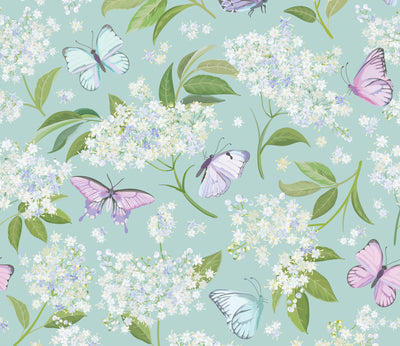
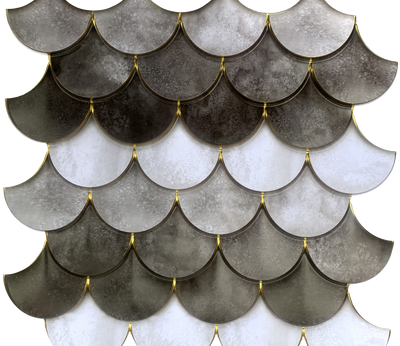
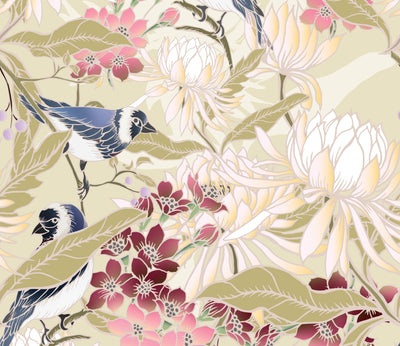


You have seen the before-and-afters: a rented bedroom wall taken from beige to bold in an afternoon, a tired dresser reborn under a wrap of pattern. Then the doubt creeps in. Is peel and stick wallpaper actually good, or does it look great in the photo and disappointing on the wall? The honest answer is that it depends entirely on what you ask it to do. Matched to the right project, it is genuinely good. Matched to the wrong one, it will let you down.
So, is peel and stick wallpaper good? The short answer
Yes — for the jobs it was designed for. Peel and stick wallpaper is a paper-based, self-adhesive product meant for accent walls, furniture makeovers, shelf backing, and low-commitment refreshes on smooth, clean, well-prepped surfaces. Think of it as a decorating tool with a clear lane, not a miracle finish that works everywhere. Main Street founder Jan McCallum trained as an oil painter, and that eye for pattern and color shows in a print that reads as intentional rather than gimmicky. Treat the material like what it is, and the results hold up beautifully. Ask it to behave like permanent, hung-by-a-pro wallpaper on a textured wall in a steamy bathroom, and it will disappoint you.
So the real question is not whether it is good in the abstract, but whether it is good for your project. Here is where it shines, where it struggles, and how to tell which side of that line you are on.
What peel and stick wallpaper does well
When people fall in love with removable wallpaper, this is usually why.
- It is renter-friendly by design. These sheets are made to be temporary, so you can decorate a lease without the permanence (or the security-deposit anxiety) of paint or traditional paper. Removability is never a guarantee on every wall — always test a small, hidden patch first — but low commitment is the whole point. For the full renter breakdown, see our guide on whether peel and stick wallpaper damages your walls.
- No drills, no contractors. You do not need a paste table, a professional, or a free weekend of muscle. A measuring tape, a smoothing tool, and a little patience get most small projects done.
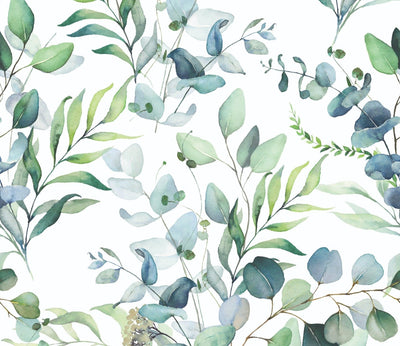
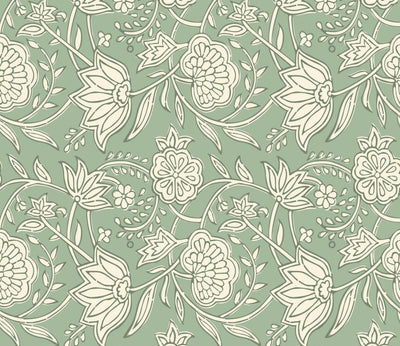
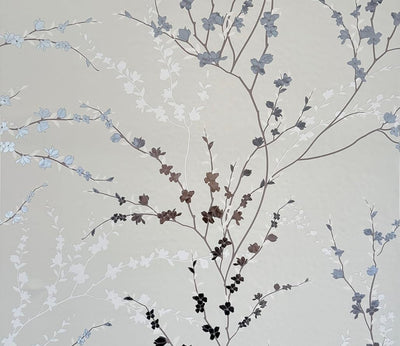
- The design range is real. This is where it earns its keep. You can go soft and botanical with Eucalyptus, graphic and glam with Indigo Diamonds, or bold and warm with a statement print like Total Vibes — looks that would cost far more in hung wallpaper.
- It works beyond walls. Some of the most satisfying projects are not walls at all. Drawer fronts, cabinet panels, shelf backing, and stair risers all take pattern well — a wood-look sheet like Herringbone can make a flat-pack dresser look custom. Our furniture wallpapering guide walks through it.
- It is low-cost and low-stakes. A small accent wall or a furniture flip is an inexpensive way to test a bold color or pattern you would never commit to with paint. If you tire of it, you have not repainted a room.
Where peel and stick wallpaper falls short
An honest verdict needs the other column too. Most disappointment traces back to one of these.
It is picky about surfaces
This is the big one. Peel and stick wallpaper is at its best on smooth, sealed, dry surfaces — painted drywall, sealed wood, and smooth tile. It struggles on textured or popcorn walls, brick, and stone, where the adhesive cannot get full contact and you may see peeling or bubbling over time. Ceilings are on the not-recommended list too. If your walls have a heavy orange-peel or knockdown texture, that is a sign to rethink the surface before you buy.
It is not truly "no tools, no effort"
The marketing shorthand oversells the ease a little. You will still want a utility knife for clean edges, a smoothing tool to press out bubbles, and some patience for lining up seams and matching a pattern across sheets. It is very doable for a first-timer, but it rewards care. Our step-by-step application guide covers the technique that separates a crisp result from a wrinkled one.
Keep the sheets out of wet zones
Paper sheets and steam do not mix. Main Street's own guidance is to avoid areas exposed to moisture — showers, tub surrounds, and other wet zones — where humidity can shorten how long the paper lasts. Some prints are listed as water-resistant, but that is not the same as waterproof, so check the individual product page and keep sheets to dry rooms.
Quality varies — and so does your prep
Not all removable wallpaper is created equal, and results depend as much on your surface as on the paper. Buy all the sheets for a project in one order so the color matches, clean the wall first, and give fresh paint time to cure. Skip those steps and even a good product can look off.
Is it worth it? Who should (and shouldn't) use it
Weigh it against what you actually need from a wall.
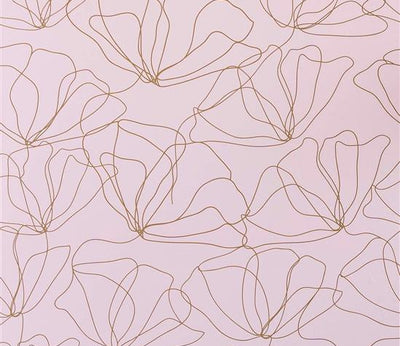
It is worth it if you are a renter who wants real design without losing a deposit, a homeowner who likes to change things seasonally, or anyone drawn to a quick accent wall, a furniture refresh, or a small, dry room refresh on a budget. A floral like Peony Party behind a bed or a geometric on a cabinet delivers a lot of impact for the effort and cost.
It may not be worth it if you are covering a heavily textured whole room, decorating a high-moisture bathroom with sheets, or hoping for a single permanent finish you will never touch again. In those cases, weigh your options with our comparison of peel and stick versus traditional wallpaper.
How to make sure yours looks good
Most of the difference between "wow" and "meh" comes down to a few habits:
- Start with a smooth, clean, dry surface. Wipe away dust, and if you have recently painted, let the wall fully cure before applying.
- Measure and buy enough at once. Slight color variation can happen between print batches, so order your whole project together.
- Test a small patch first, especially in a rental, so you know how the paper behaves on your specific wall before you commit to the full run.
- Use a smoothing tool and take your time with seams and corners. Peel a few inches, press, and work slowly — rushing is where bubbles come from.
Do that, and the answer to "is peel and stick wallpaper good" becomes an easy yes for the space you had in mind.
Frequently asked questions
Is peel and stick wallpaper good quality?
For its category, yes — quality is genuinely good when you match the paper to the right surface and prep well. These are printed paper sheets meant for smooth, dry surfaces like painted drywall, sealed wood, or smooth tile. On those, the print reads crisp and intentional. Quality complaints usually come from applying it to textured or damp walls, where no removable paper performs at its best.
Does peel and stick wallpaper look cheap?
It does not have to. On a smooth, well-prepped wall with the seams lined up and bubbles smoothed out, a good print looks polished and custom. What reads as "cheap" is almost always installation, not the paper: lifting corners, mismatched patterns, or trapped air. Slow, careful application on the right surface is what makes it look expensive.
Is peel and stick wallpaper good for bathrooms?
Paper wallpaper sheets are not recommended for wet bathroom zones. Main Street advises keeping sheets away from showers, tub surrounds, and other high-moisture areas, since steam can cause lifting over time. If you want pattern in a bathroom, keep sheets to a dry accent wall well away from water, or consider tile-look options for splash-prone spots and check each product page for its surface guidance.
Is peel and stick wallpaper worth the money?
For accent walls, furniture makeovers, shelf backing, and renter-friendly refreshes, it is usually well worth it — you get a big visual change for a small cost and no permanent commitment. It is less worth it as a substitute for permanent, hung wallpaper across a whole textured or high-moisture room. Decide by the project, not the product.
Will peel and stick wallpaper damage my walls?
It is designed to be removable and renter-friendly, so it is a low-risk choice for most smooth, painted walls. That said, no removable paper can promise zero residue on every surface, and freshly painted or delicate finishes are more sensitive. Always test a small, hidden area first and remove slowly to give yourself the best result.
Featured in this article
Shop the wallpapers mentioned above.


Does Shelf Liner Attract Bugs? What Really Draws Pests to Your Shelves

How to Make a Stencil With Contact Paper for Crisp Painted Lines

Chalkboard Paint vs Chalkboard Wallpaper: Which Writable Wall Should You Choose?

How to Do Corners With Contact Paper: Inside, Outside and Rounded Corners

How to Cover a Desk With Contact Paper (and a Table Too)


