



Shelf liner is supposed to take the hit so the cabinet doesn't, which means sooner or later the liner is the dirty thing. A ring of olive oil under the bottle, flour in the corners, a sticky patch where the honey jar sat. Knowing how to clean shelf liner comes down to one question you answer before you reach for a sponge: what is this liner actually made of?
Get that right and cleaning takes ten minutes. Get it wrong and you can soak a paper sheet or loosen an adhesive edge that a quick dusting would have handled.
How to clean shelf liner starts with what it is made of
Most liners in a home kitchen fall into one of three families, and each one wants different treatment.
- Non-adhesive grip liner. The cushioned, open-weave or ribbed roll that lies loose on the shelf. It is meant to be lifted out, so it is also the one you can wash.
- Adhesive contact paper with a plastic film face. The classic shelf-aisle roll. Most of it is vinyl film with a sticky back, and it stays put once applied, so you clean it where it is.
- Self-adhesive paper sheets. Printed paper with a peel-off backing, like the Classic Sheets Main Street sells. These also stay where you put them, but the face is paper, which changes the rules.
Not sure what you bought? Lift a front corner. A loose liner comes straight up; an adhesive one resists. A glossy, slightly plastic face points to film, while a matte print with a paper edge points to paper.
Can you wash shelf liners? The lift-out kind, yes
Grip liner is the only type built to come out of the cabinet and go into water. The care instructions on these products are not all the same, though. Some makers say to wipe with mild soap and water, some say it can be submerged in soapy water, and at least one grip liner is labeled machine washable in cold water with instructions to lay it flat to dry. The label on your roll is the one that counts.
When there is no label to go by, a gentle hand wash is the safe default:
- Empty the shelf and carry the liner outside or over the sink before you shake it, so the crumbs don't land back in the cabinet.
- Soak it briefly in a sink of warm water with a few drops of dish soap.
- Work the grid with a soft brush where food has dried into the texture. An old toothbrush reaches into the ribs without tearing the foam.
- Rinse well. Soap left in the weave attracts dust and can feel tacky later.
- Dry it flat and completely over a rack or a clean towel. Putting a damp liner back on a wooden shelf traps moisture against the wood, which is the opposite of what a liner is for.
As for the dishwasher, we have not seen a grip-liner care label that recommends it. Unless yours does, keep it in the sink.
How to clean contact paper without lifting it
Adhesive film contact paper is cleaned in place. One shelf-liner maker's own instruction sheet keeps it simple: wipe with a damp cloth and mild soap if necessary. That is most of the job. The rest is about protecting the two places where adhesive liner fails first, the cut edges and the seams.
- Wring the cloth hard. You want damp, not wet. Water that runs to an edge can wick underneath and start lifting it.
- Wipe along the seams, not across them. Dragging a cloth across a seam catches the top layer and peels it back a little more each time.
- Skip scouring pads and powders. They scratch the film and can wear through a printed pattern.
- Dry it with a second cloth straight after, especially along the front edge of the shelf.
For a greasy patch near the stove, a drop more dish soap and a little patience beats a stronger chemical.
When contact paper itself feels sticky
Old contact paper sometimes turns tacky on the face or oozes adhesive at the edges. Cleaning won't fix that, because the problem is the liner aging, not dirt on it. That is the point to replace it rather than scrub it. Our guide on how to remove contact paper walks through taking off old, stuck-on layers and dealing with the residue they leave behind.
Cleaning paper shelf liner: dust it, don't scrub it
Self-adhesive paper sheets look the most like decor, and they need the lightest touch. Main Street's Classic Sheets are published as peel and stick paper wallpaper, and the brand's own how-to-use page lists areas exposed to moisture among the places to avoid. Main Street doesn't publish a cleaning routine for the sheets, so the sensible approach is to keep water out of it as far as you can.
- Dry first. A soft brush, a dry microfiber cloth or the brush attachment on a vacuum handles crumbs, flour and dust on a dry pantry shelf.
- For a spot, go barely damp. If something sticky has landed, use a cloth wrung out until it is almost dry, dab rather than rub, and dry the area right away. Try it first on an offcut or a corner hidden behind a canister.
- Leave the chemicals out. The 30% isopropyl alcohol and 70% water mix on the how-to-use page is a prep step for the bare surface before you apply a sheet. It isn't offered as a cleaner for the printed face, so don't improvise with it, or with anything stronger.
Replace one sheet instead of rescuing it
The upside of an 11 x 16 inch sheet is that a stain is a one-sheet problem. Peel the marked sheet, check the shelf underneath is clean and dry, and press a fresh one into the same spot. The product pages note that colors can vary slightly between print runs and suggest buying everything for a project at once, so tuck two or three spare sheets from your original pack into a drawer for exactly this.
Clean the shelf, too, while it is empty
Any time a liner comes up, check the shelf under it for crumbs, dust and the dark marks of moisture that sat too long. If you are re-lining with an adhesive sheet, Main Street's prep step is the one to follow: wipe the surface with a damp cloth to lift dust, clean it with that 30/70 alcohol and water mix, and let it dry completely before the new sheet goes down. Adhesive and moisture don't get along, so a shelf that is still damp will fight you.
A musty smell from a drawer or cupboard usually points to damp rather than to the liner. Empty it, wipe it, leave it open for a few hours to dry, and find the source: a leaky bottle, a damp sponge, a pipe. Crumbs matter too, since food draws pests far more than any liner does, as our piece on whether shelf liner attracts bugs explains.
Choose a liner that fits how often you'll clean
The easiest liner to clean is the one that matches the shelf. If you are shopping for washable shelf liner or wipeable drawer liners, the real decision is which zone each shelf sits in.
- Spill zones (under the sink, the oil and vinegar shelf, the fridge): a lift-out mat or a tray you can carry to the sink. Our roundup of shelf liner alternatives sorts these by job.
- Everyday dry shelves (cereal, tins, glasses): adhesive liner works, cleaned in place with a damp, well-wrung cloth.
- Display and decorative spots (open shelving, a dresser drawer, a linen closet): paper sheets earn their place here, because they get dusted rather than washed.
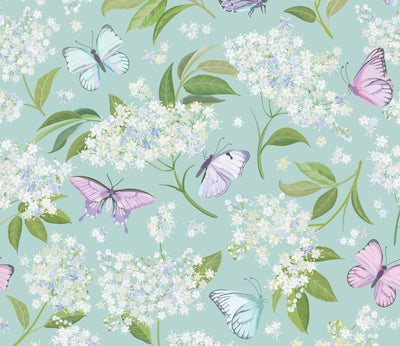
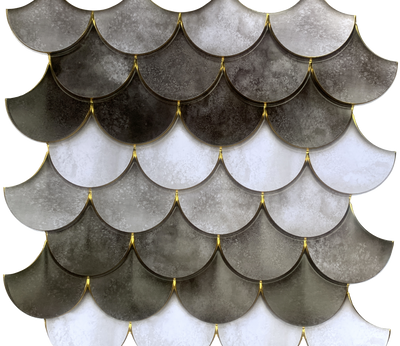
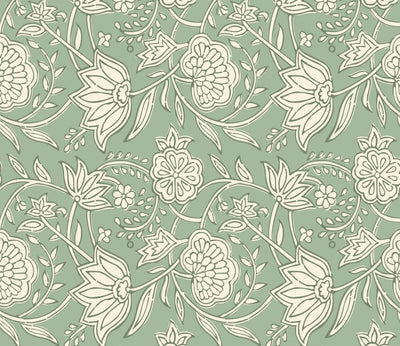
Pattern helps between cleanings. A busy, mid-tone print disguises a few crumbs far better than a plain dark or plain white sheet, which shows every speck. The Distressed Wood Grey sheets read like a weathered wood shelf, and the Block Print Floral sheets give a small allover floral that forgives a dusty week. Herringbone and Gold Woven are the more graphic options, and the Free Spirit page lists shelves among its suitable surfaces. Still weighing materials? How to choose shelf liner breaks it into five questions.
Frequently asked questions
How do you clean shelf liner without taking it out?
Vacuum or brush away loose crumbs first, then wipe with a cloth dampened in warm water and a little dish soap, wrung out until it barely drips. Work along the seams rather than across them and dry the surface with a second cloth. On paper sheets, skip the soap and water and stick to dry dusting or a barely damp dab.
Can you put shelf liner in the washing machine?
Only if the label says so. Some grip liners are sold as machine washable in cold water and dried flat, while others call for a hand wash or a wipe with mild soap. Adhesive contact paper and paper sheets never go in a machine, because they are stuck to the shelf and are cleaned where they are.
How often should you clean shelf liner?
Give pantry and dish shelves a quick dust or wipe whenever you restock or clear out expired food, and deal with any spill as soon as you see it. A fuller clean once or twice a year, when everything comes off the shelf, is enough for most homes. Shelves near the stove collect grease faster and may need it more often.
Can you clean contact paper with vinegar or disinfecting wipes?
A maker's instruction sheet for film contact paper calls for a damp cloth and mild soap, which handles most messes. If you prefer vinegar or a disinfecting wipe, test it on a hidden corner first and check for dulling or a tacky surface. On paper sheets, avoid both, since the face is paper and Main Street publishes no cleaning chemicals for it.
What is the most washable shelf liner?
A loose, non-adhesive grip liner is the easiest to wash, because you can lift it out and rinse it in the sink. It is the better choice for spill-prone spots such as under the sink. Adhesive liners stay put and are wiped in place, and paper sheets suit dry, decorative shelves that only need dusting.
Featured in this article
Shop the wallpapers mentioned above.

Block Print Floral Peel & Stick Wallpaper Sheets – 12 Pack
$25.00
Distressed Wood Grey Peel & Stick Wallpaper Sheets – 12 Pack
$25.00
Herringbone Peel & Stick Wallpaper Sheets – 12 Pack
$25.00
Gold Woven Peel & Stick Wallpaper Sheets – 12 Pack
$25.00
Free Spirit Peel & Stick Wallpaper Sheets – 12 Pack
$25.00
Crafts to Do With Scrapbook Paper: Seven Projects That Use It Up

Christmas Paper DIY Decorations for Walls, Fireplaces and Bedrooms

Dollar Tree DIY Christmas Decorations: 8 Paper Makeovers for Decor and Gifts

Christmas Crafts for Adults: Paper Projects for One Evening

How to Clean Shelf Liner and Contact Paper, Type by Type


